


What is Counter Flow Cooling Tower
A counter flow cooling tower is a type of cooling tower where the air flow direction is opposite to the direction of water flow. In this design, water flows downwards while air is drawn upwards, allowing for efficient heat transfer and cooling. Counter flow cooling towers are widely used in various industrial applications due to their superior thermal performance and energy efficiency.
Benefits of Counter Flow Cooling Tower
Efficient Heat Transfer
The primary advantage of counter flow cooling towers is their efficient heat transfer capability. In a counter flow design, hot water from the system enters the top of the cooling tower and flows downward, while air is drawn upward through the tower. This opposite flow of air and water maximizes the temperature difference between the two, enhancing the heat exchange process.
Compact Design
Counter flow cooling towers are known for their compact design, which makes them suitable for installations where space is limited. The vertical airflow path and efficient packing arrangements allow these towers to have a smaller footprint while still providing high cooling capacity. This compact design also makes counter flow cooling towers easier to integrate into existing systems and facilities.
Enhanced Performance in Variable Conditions
Counter flow cooling towers perform well under variable operating conditions. Their design allows for consistent and effective cooling even when there are fluctuations in water temperature or flow rate. This adaptability is crucial for industrial processes and HVAC systems that experience varying loads and operational demands.
Reduced Drift and Splash Loss
Drift and splash loss are concerns in cooling tower operations as they lead to water wastage and potential environmental issues. Counter flow cooling towers are designed to minimize these losses. The upward air flow helps to contain water droplets within the tower, reducing drift.
Lower Maintenance Requirements
The design of counter flow cooling towers typically results in lower maintenance requirements compared to cross flow designs. The water distribution system in counter flow towers is less prone to clogging and scaling, reducing the need for frequent cleaning and maintenance.
-
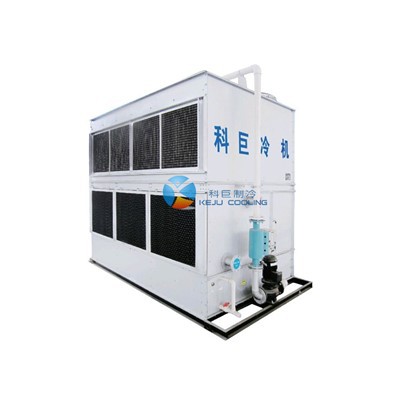
![Counter Flow Closed Cooling Tower]()
Counter Flow Closed Cooling Tower
Add to Inquiry -
![Counter Flow Closed Circuit Cooling Tower]()
Counter Flow Closed Circuit Cooling Tower
Add to Inquiry -
![Counter Flow Closed Circuit Cooling Tower]()
Counter Flow Closed Circuit Cooling Tower
Add to Inquiry -
![Counter Flow Closed Cooling Tower]()
Counter Flow Closed Cooling Tower
Add to Inquiry -
![Counter Flow Closed Type Cooling Tower]()
Counter Flow Closed Type Cooling Tower
Add to Inquiry -
![Counterflow Closed Circuit Cooling Tower]()
Counterflow Closed Circuit Cooling Tower
Add to Inquiry -
![Countercurrent Closed Cooling Tower]()
Countercurrent Closed Cooling Tower
Add to Inquiry -
![Counter Flow Closed Loop Cooling Tower]()
Counter Flow Closed Loop Cooling Tower
Add to Inquiry -
![Closed Type Counterflow Cooling Tower]()
Closed Type Counterflow Cooling Tower
Add to Inquiry -
![Closed Circuit Counter Flow Cooling Tower]()
Closed Circuit Counter Flow Cooling Tower
Add to Inquiry -
![Counter Flow Closed Water Cooling Tower]()
Counter Flow Closed Water Cooling Tower
Add to Inquiry -
![Induced Draft Counter Flow Closed Cooling Tower]()
Induced Draft Counter Flow Closed Cooling Tower
Add to Inquiry



Why Choose Us
Years of Experience
Wuxi Keju Machinery Manufacturing Co., Ltd. is a high-tech enterprise in Jiangsu Province and is professionally engaged in cooling system development, design, manufacturing, sales, and service. And has 10+ years of experience in the cooling system field.
Quality System Certification
The company has passed 1OS9001-2008 Quality Management System Certification and worked out Q/320211JDM01-2013 Enterprise Standards. The company was also rated excellent management enterprise of the heat treatment industry in China, third-level enterprise of work safety standardization (machinery) in Wuxi City, cleaner production enterprise in Wuxi City and advanced energy conservation and emission reduction enterprise, and so on.
Professional Technical Team
After more than 10 years of continuous development and growth, the company now has formed a technical personnel team with complete and very high professional level and a production team with strong implementation force.
Excellent Services
The company can complete tasks with high quality and high efficiency, provide users with the best possible services, and also provide on-site training services, enabling operators to master the knowledge and experience necessary for operation, maintenance, and repair.

Counter flow cooling towers operate by circulating warm water through a series of fill media while air is drawn upward through the tower by fans. As the warm water flows downward, it comes into contact with the upward-moving air, facilitating heat transfer through evaporation. This process cools the water, which is then collected at the bottom of the tower and recirculated through the system.
The Difference Between Counter Flow and Cross Flow Cooling Towers
Counter flow cooling towers have an induced draught fan on the top portion of the towers, which are directly situated on the motor. The fan from these cooling towers induces the ambient air into the tower so that it can draft upward. This air movement allows the speed of the exhaust air to be faster than the entry of the air to the tower. It also results in a low drop in pressure and lower circulation. Counter flow cooling towers are enclosed fully, allowing them to prevent sunlight exposure and minimise algae growth. They are also lighter in weight and smaller in size compared to cross flow cooling towers.
Cross flow cooling towers, on the other hand, distribute hot water perpendicularly to the flow of the air. The air on the towers flows through the fills horizontally while the water flows from the top and falls down vertically. Splash type fillings are utilised for these towers, making them suitable for applications where water has high suspended particles. Cross flow cooling towers have full door access that allows anyone to reach certain components of the towers. This accessibility ensures that adjustments and replacements can be done easily.
Metal Materials: Frequently metals such as stainless steel and galvanized steel are the common metals employed in the manufacture of the counter flow cooling towers due to their endurance at high temperatures. For example, stainless steel exhibits excellent corrosion resistance and can withstand harsh environmental conditions, making it suitable for long-term use.
Plastic Materials: FRP, a type of plastic material which is fiberglass reinforced plastic, is being increasingly used in counter flow cooling tower buildings. FRP provides very good corrosion resistance so it is definitely the best option when the water severely contains chlorides. Furthermore, the plastic materials are light but the light version of them are still transportable and applicable easily. Nevertheless, plastics may get affected by UV degradation gradually but metals have superior UV isolation and are less susceptible to them.

Application of Counter Flow Cooling Tower
Industrial Processes
In industrial settings, counter flow cooling towers are used to dissipate heat from machinery, processes, and equipment. They are essential in industries such as power generation, chemical processing, and manufacturing, where efficient heat dissipation is critical to maintaining optimal operations.
HVAC Systems
Counter flow cooling towers are also widely used in HVAC systems for commercial and residential buildings. They help to cool water for air conditioning systems, improving energy efficiency and maintaining comfortable indoor environments. Their compact design and efficient performance make them ideal for urban installations where space and energy efficiency are key considerations.
Data Centers
Data centers generate significant amounts of heat, and effective cooling is essential to prevent overheating and equipment failure. Counter flow cooling towers provide reliable and efficient cooling solutions for data centers, ensuring continuous operation and protecting valuable IT infrastructure.
Power Generation Plants
Counter flow cooling towers are critical in power plants, particularly in thermal and nuclear facilities. They help cool the water used in the condensation phase of steam turbines, facilitating the continuous cycle of electricity generation while enhancing plant efficiency and conserving water through recirculation.
Components of Counter Flow Cooling Tower
Hot Water Inlet
The hot water from the industrial process or HVAC system enters the cooling tower through this inlet.
Distribution System
Once inside the tower, the hot water is evenly distributed over the fill material to maximize surface area exposure.
Fill Material
This material provides a large surface area for the water to spread out, facilitating efficient heat transfer.
Cooling Fans
Fans at the top of the tower draw air upwards through the tower, creating an upward airflow pattern.
Drift Eliminators
These components minimize the amount of water droplets carried away by the air, reducing water loss.
Cold Water Basin
At the bottom of the tower, the cooled water collects in the basin before being circulated back to the industrial process or HVAC system.
Air Inlet Louvers
Allows air to enter the tower while reducing water splash-out and debris entry. Typically plastic or corrosion-resistant metal.
Motor and Drive System
Electric motor and a drive system (belt-driven or direct-drive). Powers the fan for air movement.
What to Consider When Choosing Counter Flow Cooling Tower
Determine Your Cooling Needs
The first step in selecting a counter flow cooling tower is to determine your cooling needs. This involves understanding the heat load that your operations generate, the ambient temperature, as well as the required temperature of the cooled water. These factors will dictate the size and type of the cooling tower needed.
Energy Efficiency
Energy efficiency should be another critical consideration. Look for counter flow cooling towers that have energy-saving features, such as variable-speed fans, high-efficiency fill materials, or heat exchangers. Although these features might increase the upfront cost, they can save you money in the long run through reduced energy costs.
Material of Construction
Counter flow cooling towers are typically made from materials like galvanized steel, stainless steel, fibreglass, or plastic. The choice of material will depend on the environmental conditions, the type of water used, and budgetary constraints. For instance, stainless steel towers are more expensive but can withstand harsh conditions and have a longer lifespan.
Consider the Installation and Operating Costs
The cost of a counter flow cooling tower includes not only the initial purchase price but also the costs of installation, operation, and maintenance. Higher-efficiency towers may have a higher upfront cost but can save money in the long run through reduced energy use. Additionally, consider the longevity and durability of the tower, as a longer lifespan can offset higher initial costs.
Maintenance and Lifespan
Regular maintenance of counter flow cooling towers is crucial for their optimal operation. Choose towers that are easy to maintain, with accessible parts and a design that facilitates cleaning and inspection. In terms of lifespan, towers with durable materials and robust construction are likely to last longer.
Conduct Regular Inspections
Frequent inspections allow you to identify any signs of wear, corrosion, or damage early on. Inspect key components such as the fill media, drift eliminators, fan blades, motor, belts, and pumps. Look for signs of leaks, rust, scaling, or any other abnormalities that may affect the tower’s performance. Addressing these issues promptly can prevent further damage and costly repairs.
Clean the Tower Regularly
Cleaning the counter flow cooling tower is vital to keep it free from debris, sediment, and biological growth. Schedule regular cleaning to remove dirt, algae, and scale buildup. Use appropriate cleaning solutions and techniques to ensure thorough cleaning without causing damage to the tower components. Clean the basin, fill media, drift eliminators, and other accessible areas.
Maintain Water Treatment
Effective water treatment is essential for preventing scale, corrosion, and microbial growth in counter flow cooling towers. Regularly monitor and maintain proper water chemistry by testing pH levels, conductivity, and biocide levels. Implement a comprehensive water treatment program to minimize the risk of fouling, scaling, and corrosion, which can negatively impact cooling tower performance.
Lubricate Moving Parts
Ensure that all moving parts, such as fan motors, bearings, belts, and pulleys, are properly lubricated. Lubrication reduces friction, extends the life of mechanical components, and improves energy efficiency. Follow the manufacturer’s guidelines for lubrication intervals and use recommended lubricants suitable for the specific components.
Monitor Water Levels and Flow Rates
Regularly monitor water levels in the tower basin and ensure that flow rates are within the specified range. Low water levels can lead to inadequate cooling capacity, while excessive flow rates can strain the system. Adjust water levels and flow rates as necessary to maintain optimal operation.
FAQ
As one of the most professional counter flow cooling tower manufacturers and suppliers in China, we're featured by quality products and good price. Please rest assured to buy the best counter flow cooling tower for sale here from our factory. Contact us for custom service.
Counterflow Closed Circuit Cooling Tower, Countercurrent Closed Cooling Tower, Counterflow Induced Draft Closed Cooling Tower