

What is the maintenance frequency of a Crossflow Open Type Cooling Tower?
Nov 27, 2025
Hey there! As a supplier of Crossflow Open Type Cooling Towers, I often get asked about the maintenance frequency of these nifty pieces of equipment. So, I thought I'd sit down and write a blog post to share my insights on this topic.
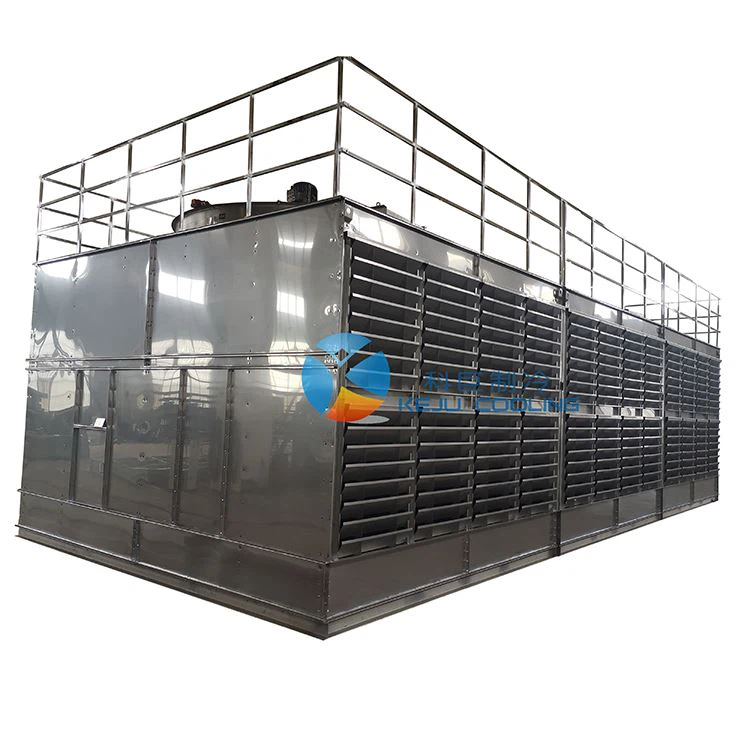
First off, let's quickly go over what a Crossflow Open Type Cooling Tower is. It's a type of cooling tower where the air flows horizontally across the direction of the falling water. This design allows for efficient heat transfer and is commonly used in various industrial and commercial applications to cool down water that has been heated during a process.
Now, when it comes to maintenance frequency, there's no one - size - fits - all answer. It depends on a bunch of factors, and I'll break them down for you.

1. Operating Conditions
The environment in which the cooling tower operates plays a huge role. If your tower is located in an area with a lot of dust, dirt, or airborne debris, it's going to need more frequent maintenance. For example, if it's near a construction site or a busy road, dust can quickly accumulate in the tower. This can clog the fill media, which is responsible for increasing the contact area between the water and the air for better heat transfer. A clogged fill media means reduced efficiency and can even lead to higher energy consumption. In such a dirty environment, I'd recommend inspecting the tower at least once a month and performing a thorough cleaning every three to six months.
On the other hand, if the tower is in a relatively clean environment, like an office park or a well - maintained industrial complex, the inspection can be done every two to three months, and a full cleaning every six to twelve months.
2. Water Quality
The quality of the water used in the cooling tower is another crucial factor. If the water has a high mineral content, it can lead to scale formation on the internal components of the tower. Scale acts as an insulator, reducing the heat transfer efficiency. Hard water areas are particularly prone to this problem. In these cases, you'll need to test the water regularly, say every two weeks, and adjust the water treatment chemicals accordingly. A full descaling operation might be required every three to six months.
If the water is relatively soft and clean, water testing can be done monthly, and descaling might only be necessary once a year.
3. Usage Intensity
How often the cooling tower is used also matters. If it's running 24/7, like in a large manufacturing plant where the cooling process is continuous, it will experience more wear and tear compared to a tower that's only used occasionally, such as in a small office building's HVAC system.
For a continuously operating tower, the mechanical components like fans, motors, and pumps should be inspected weekly. Belts and couplings should be checked for tightness and wear, and lubrication levels should be monitored. A full mechanical overhaul might be needed every one to two years.
For a tower with intermittent use, a monthly mechanical inspection should be sufficient, and a major overhaul can be done every two to three years.
4. System Size
The size of the crossflow open - type cooling tower affects maintenance frequency as well. Larger towers have more components and a greater volume of water and air to handle. This means there are more areas where problems can occur. For example, a large industrial - scale cooling tower might have multiple fans and pumps, and a complex piping system. In a big tower, I'd suggest a more detailed inspection every two weeks, focusing on different sections of the tower each time. A full - scale maintenance, including checking all components and performing a deep clean, should be done every six months.
Smaller cooling towers, like those used in small commercial buildings, can be inspected monthly, and a comprehensive maintenance once a year is usually enough.
General Maintenance Tasks and Their Frequencies
Daily Checks
- Water Level: Check the water level in the sump daily. A low water level can cause the pump to run dry, which can damage the pump.
- Visual Inspection: Take a quick look around the tower for any obvious signs of damage, such as leaks or broken parts.
Weekly Checks
- Fan and Motor: Check the fan blades for any signs of damage or imbalance. Listen for any unusual noises from the motor, which could indicate a problem.
- Water Treatment: If you're using water treatment chemicals, make sure the dosing system is working properly and that the chemical levels are within the recommended range.
Monthly Checks
- Fill Media: Inspect the fill media for any signs of clogging or damage. You can use a water hose to gently rinse off any loose debris.
- Piping and Valves: Check the pipes and valves for leaks, corrosion, or any signs of blockage.
Quarterly Checks
- Lubrication: Lubricate all the moving parts, such as bearings and shafts, according to the manufacturer's recommendations.
- Electrical Components: Inspect the electrical connections for any signs of overheating or loose wires.
Annual Checks
- Structural Integrity: Have a professional engineer check the structural integrity of the tower. This includes looking at the frame, supports, and any other load - bearing components.
- Performance Testing: Conduct a performance test to ensure the tower is operating at its optimal efficiency. This can involve measuring the inlet and outlet water temperatures, air flow rates, and power consumption.
The Importance of Regular Maintenance
Regular maintenance is not just about keeping the tower running; it's also about saving money in the long run. A well - maintained cooling tower operates more efficiently, which means lower energy costs. It also extends the lifespan of the tower, reducing the need for costly replacements. Moreover, proper maintenance helps prevent breakdowns, which can cause costly production downtime in industrial settings.
If you're in the market for a Crossflow Open Type Cooling Tower, we offer a range of high - quality products. Check out our Square Crossflow Open Circuit Cooling Tower, Open Circuit Cross Flow Square Cooling Tower, and Open Circuit Evaporative Cooling Tower. We can also provide you with detailed maintenance guidelines based on your specific requirements.
If you're interested in purchasing a cooling tower or have any questions about maintenance, don't hesitate to reach out. We're here to help you make the best decision for your cooling needs.
References
- Cooling Tower Institute (CTI) - Guidelines for Cooling Tower Maintenance
- Manufacturer's Manuals for Crossflow Open Type Cooling Towers