

How to prevent ice formation in an open circuit cooling tower during winter?
Jul 25, 2025
Yo, folks! As a supplier of open circuit cooling towers, I know firsthand the headaches that winter can bring when it comes to ice formation in these bad boys. It's a real pain in the you-know-what, but don't worry – I've got some solid tips to help you prevent ice from wreaking havoc on your open circuit cooling tower during the cold months.
First off, let's talk about why ice formation is such a big deal. When ice starts to build up in your cooling tower, it can block air and water flow, reduce the tower's efficiency, and even cause damage to the structure. That's not something you want to deal with, especially if you rely on your cooling tower to keep your operations running smoothly.
So, how do you prevent ice from forming in the first place? Well, there are a few different strategies you can use, and I'll break them down for you.
1. Keep the Water Moving
One of the most effective ways to prevent ice formation is to keep the water in your cooling tower moving. Stagnant water is much more likely to freeze than flowing water, so make sure your pumps are running at all times. If you have a variable speed pump, consider increasing the flow rate during cold weather to keep the water moving faster.
Another way to keep the water moving is to use a water circulation system. This can help distribute the heat evenly throughout the tower and prevent cold spots where ice can form. You can also install a water heater to keep the water temperature above freezing, but this can be expensive to operate.
2. Insulate the Tower
Insulating your cooling tower can also help prevent ice formation. You can use insulation materials such as foam board, fiberglass, or rubber to cover the tower's walls, pipes, and other components. This will help keep the heat inside the tower and prevent it from escaping to the cold outside air.

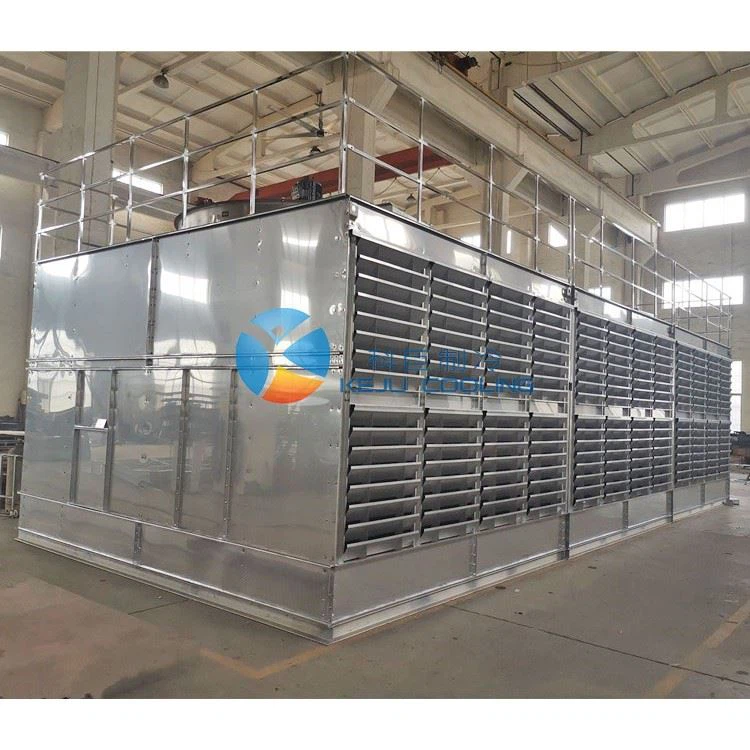
Make sure to insulate all the areas of the tower that are exposed to the cold, including the basin, the fill material, and the distribution system. You can also use insulation blankets to cover the tower's fan and motor to prevent them from freezing.
3. Use Anti-Freeze Solutions
Anti-freeze solutions can be added to the water in your cooling tower to lower the freezing point and prevent ice from forming. There are several types of anti-freeze solutions available, including ethylene glycol and propylene glycol. Make sure to choose a solution that is compatible with your cooling tower's materials and that meets the environmental regulations in your area.
When using anti-freeze solutions, make sure to follow the manufacturer's instructions carefully. You'll need to add the solution to the water in the correct concentration to ensure that it is effective. You'll also need to monitor the water quality regularly to make sure the solution is not causing any corrosion or other problems.
4. Adjust the Fan Speed
During cold weather, you may need to adjust the fan speed on your cooling tower to prevent ice formation. Running the fan at a lower speed can help reduce the amount of heat that is removed from the water, which can prevent it from freezing. However, you don't want to run the fan too slowly, as this can reduce the tower's efficiency and cause other problems.
You can also use a fan control system to automatically adjust the fan speed based on the temperature outside. This can help ensure that the tower is operating at the optimal efficiency while preventing ice formation.
5. Maintain the Tower Regularly
Regular maintenance is essential to prevent ice formation in your cooling tower. Make sure to clean the tower regularly to remove any debris or dirt that could block the water or air flow. You should also inspect the tower's components regularly to make sure they are in good condition and not damaged.
If you notice any signs of ice formation or other problems, make sure to address them immediately. Ignoring small problems can lead to bigger problems down the road, so it's important to stay on top of your maintenance schedule.
6. Consider Upgrading Your Tower
If you're having persistent problems with ice formation in your cooling tower, you may want to consider upgrading to a more advanced model. There are several types of open circuit cooling towers available, including Open Circuit Cross Flow Square Cooling Tower, Square Crossflow Open Circuit Cooling Tower, and Open Circuit Evaporative Cooling Tower. These towers are designed to be more efficient and effective at preventing ice formation, and they may be a good investment in the long run.
When choosing a new cooling tower, make sure to consider your specific needs and requirements. You'll want to choose a tower that is the right size and capacity for your operations, and that is designed to work in the climate where you are located.
In conclusion, preventing ice formation in an open circuit cooling tower during winter is essential to keep your operations running smoothly and to avoid costly repairs. By following these tips and strategies, you can help ensure that your cooling tower is protected from the cold and that it continues to operate at peak efficiency.
If you're interested in learning more about our open circuit cooling towers or if you have any questions about preventing ice formation, please don't hesitate to contact us. We'd be happy to help you find the right solution for your needs and to answer any questions you may have.
References
- Cooling Tower Institute. (n.d.). Winterizing Cooling Towers. Retrieved from https://www.coolingtowerinstitute.org/resources/winterizing-cooling-towers/
- National Fire Protection Association. (2019). NFPA 231: Standard for the Installation of Steel Storage Tanks for Flammable and Combustible Liquids. Quincy, MA: NFPA.
- U.S. Environmental Protection Agency. (2018). Cooling Tower Management. Retrieved from https://www.epa.gov/coolingwater/cooling-tower-management