

What are the precautions for using a cross flow open type cooling tower in a cold climate?
Oct 01, 2025
Hey there! As a supplier of Cross Flow Open Type Cooling Towers, I've seen firsthand how crucial it is to take extra precautions when using these towers in cold climates. In this blog, I'll share some essential tips to help you keep your cooling tower running smoothly even in freezing temperatures.
Understanding the Basics of Cross Flow Open Type Cooling Towers
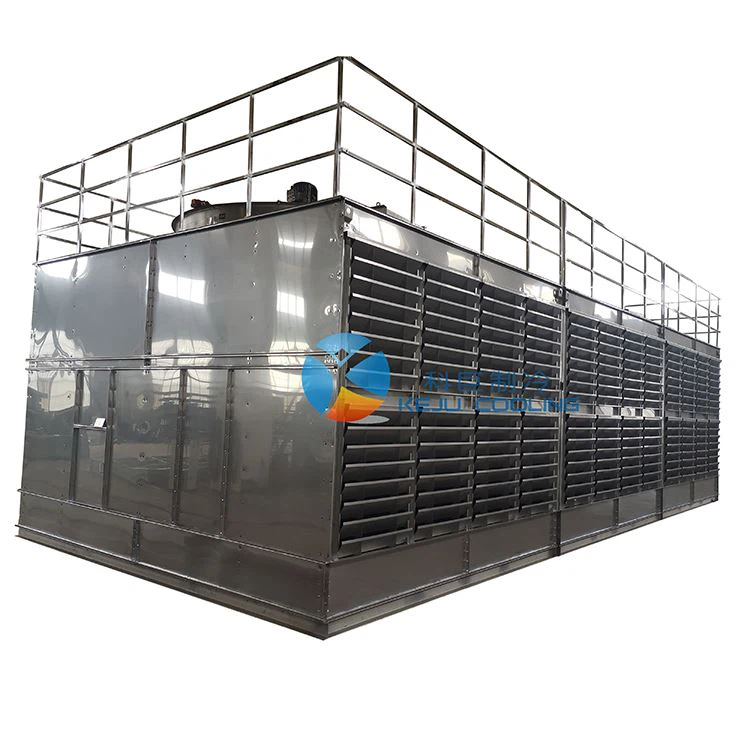
Before we dive into the precautions, let's quickly go over what a Cross Flow Open Type Cooling Tower is. These towers are designed to cool water by allowing air to flow horizontally across the water as it cascades down through the fill material. This cross-flow design provides efficient heat transfer and is commonly used in various industrial and commercial applications.
You can check out our Cross Flow Steel Open Cooling Tower and Open Circuit Evaporative Cooling Tower for more details on our product range.
Pre - Cold Season Preparations
Inspect the Tower Structure
As winter approaches, it's important to give your cooling tower a thorough inspection. Check for any signs of damage to the tower structure, such as cracks in the casing, loose bolts, or worn - out gaskets. Cold weather can exacerbate existing issues, so fixing them before the cold sets in is crucial. Make sure all access doors and panels are properly sealed to prevent cold air from entering the tower and causing ice buildup.
Check the Fill Material
The fill material in your cooling tower plays a vital role in heat transfer. Inspect it for any blockages or damage. Debris can accumulate over time, reducing the efficiency of the tower and increasing the risk of ice formation. Clean or replace the fill material if necessary. A well - maintained fill ensures proper water distribution and airflow, which are essential for preventing freezing.
Examine the Water Distribution System
The water distribution system, including nozzles and pipes, should be carefully inspected. Look for any signs of leaks or clogs. Leaking water can freeze outside the tower, causing damage to the structure. Clogged nozzles can disrupt the water flow pattern, leading to uneven cooling and potential ice formation. Clean the nozzles and repair any leaks to ensure proper water distribution.
Cold Weather Operation Precautions
Maintain Adequate Water Flow
During cold weather, it's important to maintain a sufficient water flow through the cooling tower. A low water flow can increase the risk of freezing. Monitor the water level in the basin regularly and adjust the flow rate as needed. If the water flow is too low, the water may cool down too quickly and freeze. On the other hand, excessive water flow can also be wasteful, so finding the right balance is key.
Use Anti - Freeze Solutions
In extremely cold climates, using anti - freeze solutions can be a great way to prevent water from freezing in the cooling tower. However, it's important to choose the right type of anti - freeze that is compatible with the tower materials and the water treatment chemicals. Consult with a professional to determine the appropriate anti - freeze concentration for your specific situation.
Control the Airflow
Managing the airflow through the cooling tower is crucial in cold weather. You can adjust the fan speed or even shut off the fans in very cold conditions to reduce the amount of cold air entering the tower. However, be careful not to completely stop the airflow, as this can lead to stagnant water and other issues. Some cooling towers are equipped with variable - speed fans, which allow for more precise control of the airflow.

Monitor the Temperature
Keep a close eye on the temperature inside and outside the cooling tower. Install temperature sensors to accurately measure the water and air temperatures. This will help you make informed decisions about adjusting the water flow, airflow, and other operating parameters. If the temperature drops below freezing, take immediate action to prevent ice formation.
Post - Cold Season Maintenance
Remove Ice and Snow
Once the cold season is over, it's important to remove any ice and snow that has accumulated on the cooling tower. Ice can cause significant damage to the tower structure, and snow can block the airflow. Use appropriate tools to safely remove the ice and snow without causing any additional damage.
Flush the System
Flush the water distribution system, basin, and pipes to remove any sediment, debris, or anti - freeze that may have accumulated during the cold season. This will help restore the tower's efficiency and prevent corrosion. Make sure to follow the proper flushing procedures recommended by the manufacturer.
Re - Inspect and Repair
After the cold season, conduct another thorough inspection of the cooling tower. Check for any damage that may have occurred during the winter months, such as ice - related structural damage or corrosion. Repair any issues promptly to ensure the tower is in good working condition for the next cooling season.
Importance of Regular Maintenance
Regular maintenance is the key to ensuring the long - term performance and reliability of your Cross Flow Open Type Cooling Tower, especially in cold climates. By following the above precautions and performing routine maintenance tasks, you can prevent costly breakdowns and extend the lifespan of your tower.
If you're in the market for a high - quality Crossflow Open Type Cooling Tower, we've got you covered. Our towers are designed to withstand a variety of environmental conditions, including cold climates.
Conclusion
Using a Cross Flow Open Type Cooling Tower in a cold climate requires careful planning and attention to detail. By taking the necessary precautions before, during, and after the cold season, you can ensure that your cooling tower operates efficiently and reliably. If you have any questions or need more information about our cooling towers or cold - climate operation, don't hesitate to reach out. We're here to help you make the most of your cooling tower investment. Whether you're looking to purchase a new tower or need advice on maintaining your existing one, we're just a message away. Let's start a conversation and see how we can meet your cooling needs.
References
- Cooling Tower Institute (CTI) Standards and Guidelines
- Manufacturer's Manuals for Cross Flow Open Type Cooling Towers