

What are the materials used in the construction of an open circuit cooling tower?
Oct 06, 2025
Hey there! As a supplier of open circuit cooling towers, I often get asked about the materials used in their construction. Well, let's dive right into it.
1. Structural Frame Materials
The structural frame of an open circuit cooling tower is like the backbone of the whole system. It needs to be strong enough to support the weight of all the other components and withstand various environmental conditions.
Steel
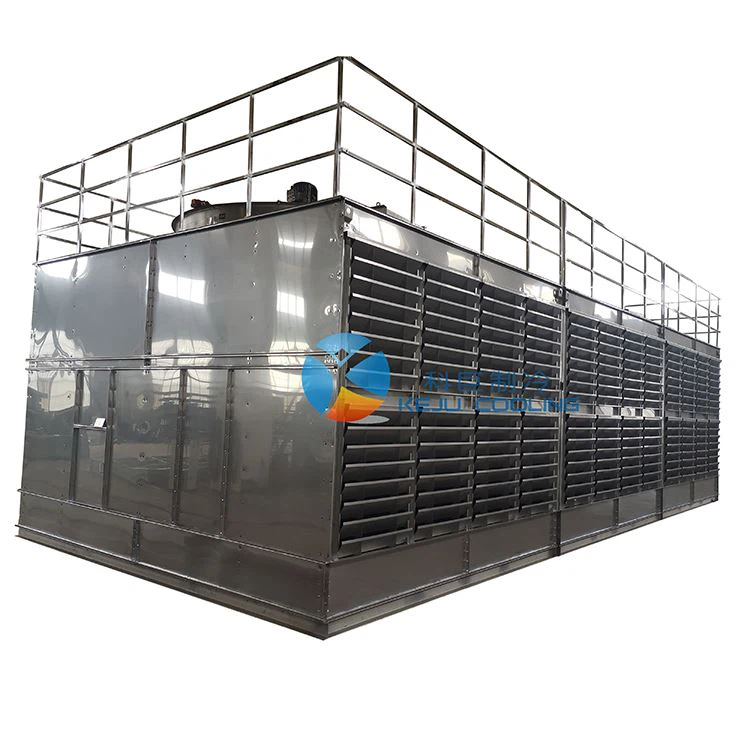
One of the most commonly used materials for the structural frame is steel. Steel is incredibly strong and durable. It can handle heavy loads without deforming, which is crucial since cooling towers can be quite large and filled with water. There are different types of steel used, such as carbon steel and stainless steel.
Carbon steel is cost - effective and has good strength. However, it's prone to rusting, especially in wet and corrosive environments. That's why it often needs to be coated with a protective layer, like a zinc coating through a process called galvanization. Galvanized carbon steel can last a long time, even in harsh conditions.
Stainless steel, on the other hand, is more resistant to corrosion. It contains chromium, which forms a thin, passive oxide layer on the surface that protects it from rust and other forms of corrosion. This makes it a great choice for cooling towers located in areas with high humidity, near the ocean, or where there are chemicals in the air. But stainless steel is more expensive than carbon steel, so it's usually used in specific parts of the cooling tower or in more high - end models.
Fiberglass Reinforced Plastic (FRP)
FRP is another popular option for the structural frame. It's lightweight but still very strong. FRP is made by combining glass fibers with a polymer resin. The glass fibers provide the strength, while the resin holds them together and gives the material its shape.
One of the main advantages of FRP is its corrosion resistance. It doesn't rust or corrode like steel, so it can be used in environments where steel would quickly deteriorate. It's also relatively easy to manufacture and can be molded into different shapes, which makes it suitable for custom - designed cooling towers. However, FRP may not be as strong as steel in terms of pure load - bearing capacity, so it's important to design the structure properly to ensure it can handle the required loads.
2. Fill Materials
The fill in an open circuit cooling tower is where the magic happens. It's the area where the hot water is spread out to increase the surface area for heat transfer and evaporation.
PVC (Polyvinyl Chloride)
PVC is a widely used fill material. It's inexpensive, lightweight, and easy to install. PVC fill comes in different shapes and configurations, such as film - type and splash - type.
Film - type PVC fill creates a thin film of water on its surface, which allows for efficient heat transfer and evaporation. It's great for applications where a high cooling efficiency is required. Splash - type PVC fill, on the other hand, breaks up the water into droplets as it falls through the fill, increasing the contact area between the water and the air.
PVC has good chemical resistance, but it may not be suitable for very high - temperature applications. Prolonged exposure to high temperatures can cause the PVC to warp or degrade, so it's usually used in cooling towers where the water temperature is relatively low.
Wood
Wood has been used as a fill material for a long time, especially in older cooling towers. Redwood and cedar are common choices because they are naturally resistant to decay and insects. Wood fill provides good heat transfer and evaporation due to its porous nature.
However, wood also has some drawbacks. It requires regular maintenance, such as treating it with preservatives to prevent rot. Wood can also be a fire hazard, so proper fire - prevention measures need to be in place. In addition, wood may not be as efficient as some of the modern fill materials, and it can be more difficult to clean and maintain.

3. Drift Eliminator Materials
Drift eliminators are used to prevent water droplets from being carried out of the cooling tower by the air. They are an important part of the cooling tower system to reduce water loss and environmental impact.
PVC
PVC is also commonly used for drift eliminators. It can be molded into various shapes, such as chevron - shaped or honeycomb - shaped designs. These shapes are effective at capturing the water droplets as the air passes through them. PVC drift eliminators are lightweight, easy to install, and have good chemical resistance.
Polypropylene
Polypropylene is another material used for drift eliminators. It has similar properties to PVC but is more heat - resistant. This makes it suitable for cooling towers with higher water temperatures. Polypropylene drift eliminators are also durable and can withstand the harsh conditions inside the cooling tower.
4. Fan Materials
The fan in an open circuit cooling tower is responsible for moving the air through the tower. There are different types of fans, such as axial fans and centrifugal fans, and the materials used for their construction can vary.
Aluminum
Aluminum is a common material for fan blades. It's lightweight, which reduces the load on the motor and makes the fan more energy - efficient. Aluminum also has good corrosion resistance, so it can last a long time in the wet environment of the cooling tower.
Fiberglass
Fiberglass can also be used for fan blades. It's strong and can be molded into aerodynamic shapes to improve the fan's performance. Fiberglass fan blades are more resistant to damage than aluminum blades, especially in high - speed applications.
5. Basin Materials
The basin of the cooling tower holds the cooled water. It needs to be made of a material that can resist corrosion and hold water without leaking.
Concrete
Concrete is a traditional choice for cooling tower basins. It's strong and can be poured into large, custom - shaped basins. Concrete basins can last a long time if they are properly constructed and maintained. However, concrete can crack over time, especially if it's not reinforced correctly. Cracks can lead to water leakage and require costly repairs.
Fiberglass
Fiberglass basins are becoming more popular. They are lightweight, easy to install, and have excellent corrosion resistance. Fiberglass basins can be pre - fabricated and transported to the site, which reduces the installation time. They also don't crack like concrete, so they are more reliable in the long run.
In conclusion, the materials used in the construction of an open circuit cooling tower play a crucial role in its performance, durability, and cost. Whether you're looking for a Open Circuit Cross Flow Square Cooling Tower, a Cross Flow Open Loop Cooling Tower, or an Open Circuit Evaporative Cooling Tower, understanding the materials can help you make an informed decision.
If you're interested in purchasing an open circuit cooling tower or have any questions about the materials and construction, feel free to reach out. We're here to help you find the best solution for your needs.
References
- Cooling Tower Institute. (2023). Cooling Tower Design and Operation Guidelines.
- ASHRAE Handbook - HVAC Systems and Equipment. (2022). American Society of Heating, Refrigerating and Air - Conditioning Engineers.