

How to restart a steel crossflow open cooling tower after an emergency shutdown?
Jan 15, 2026
Hey there! As a supplier of Steel Crossflow Open Cooling Towers, I've seen my fair share of emergency shutdowns. And let me tell you, restarting these bad boys after an unplanned stop can be a bit of a headache. But don't worry, I'm here to walk you through the process step by step.

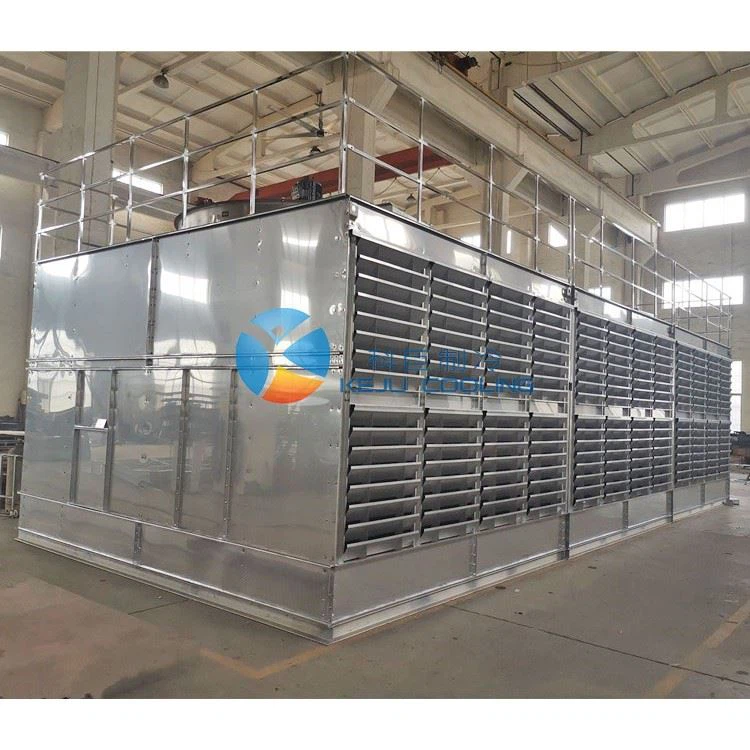
First things first, you need to understand why the emergency shutdown happened in the first place. It could be due to a power outage, a mechanical failure, or a safety issue. Once you've identified the cause, you can take the necessary steps to fix it.
1. Safety First
Before you even think about restarting the cooling tower, make sure you've taken all the necessary safety precautions. This includes wearing appropriate personal protective equipment (PPE), such as safety glasses, gloves, and hard hats. You should also make sure that the area around the cooling tower is clear of any debris or obstacles.
2. Inspect the Tower
Once you've ensured your safety, it's time to inspect the cooling tower. Start by checking the tower's structure for any signs of damage or wear. Look for cracks, leaks, or loose parts. If you notice any issues, make sure you address them before restarting the tower.
Next, check the tower's fans, motors, and pumps. Make sure they're all in good working condition and that there are no signs of damage or overheating. You should also check the tower's water distribution system to make sure it's clean and free of any blockages.
3. Clean the Tower
After inspecting the tower, it's time to clean it. This includes removing any debris or sediment that may have accumulated in the tower during the shutdown. You can use a pressure washer or a hose to clean the tower's exterior, and a brush or a vacuum to clean the interior.
You should also clean the tower's fill media, which is responsible for increasing the surface area of the water and promoting heat transfer. Over time, the fill media can become clogged with dirt, debris, and algae, which can reduce the tower's efficiency. To clean the fill media, you can use a chemical cleaner or a pressure washer.
4. Check the Water Quality
Once you've cleaned the tower, it's time to check the water quality. The water in the cooling tower should be clean and free of any contaminants, such as bacteria, algae, and sediment. You can use a water testing kit to check the water's pH, alkalinity, and hardness, and to detect the presence of any contaminants.
If the water quality is poor, you may need to treat the water with chemicals to kill any bacteria or algae and to remove any sediment. You should also make sure that the water level in the tower is correct and that the water is flowing properly through the tower's distribution system.
5. Refill the Tower
After checking the water quality, it's time to refill the tower. You can use a hose or a pump to fill the tower with clean water. Make sure you fill the tower to the correct level and that the water is flowing properly through the tower's distribution system.
6. Start the Fans and Pumps
Once you've refilled the tower, it's time to start the fans and pumps. Start by turning on the tower's fans, which are responsible for drawing air through the tower and promoting heat transfer. Make sure the fans are running smoothly and that there are no signs of vibration or noise.
Next, start the tower's pumps, which are responsible for circulating the water through the tower's distribution system. Make sure the pumps are running smoothly and that there are no signs of leaks or blockages.
7. Monitor the Tower
After starting the fans and pumps, it's important to monitor the tower closely for the first few hours. Check the tower's temperature, pressure, and water flow rate to make sure they're all within the normal range. You should also check the tower's fans, motors, and pumps for any signs of overheating or vibration.
If you notice any issues or abnormalities, make sure you address them immediately. This may involve adjusting the tower's settings, replacing a faulty part, or calling in a professional technician.
8. Conduct a Performance Test
Once you've monitored the tower for a few hours and everything seems to be running smoothly, it's time to conduct a performance test. This involves measuring the tower's cooling efficiency, which is the ratio of the heat removed from the water to the energy consumed by the tower.
To conduct a performance test, you can use a flow meter, a thermometer, and a power meter to measure the tower's water flow rate, temperature, and power consumption. You can then calculate the tower's cooling efficiency using the following formula:
Cooling Efficiency = (Heat Removed from Water / Energy Consumed by Tower) x 100%
If the tower's cooling efficiency is lower than expected, it may be due to a number of factors, such as a dirty fill media, a clogged water distribution system, or a faulty fan or pump. Make sure you address any issues or abnormalities before continuing to operate the tower.
9. Train Your Staff
Finally, it's important to train your staff on how to properly operate and maintain the cooling tower. This includes teaching them how to perform routine inspections, how to clean the tower, how to check the water quality, and how to troubleshoot common issues.
You should also provide your staff with the necessary tools and equipment to perform their jobs safely and effectively. This includes safety glasses, gloves, hard hats, pressure washers, brushes, and water testing kits.
By following these steps, you can safely and effectively restart your Steel Crossflow Open Cooling Tower after an emergency shutdown. Remember, safety is always your top priority, so make sure you take all the necessary precautions before starting the tower. And if you have any questions or concerns, don't hesitate to contact me or a professional technician for assistance.
If you're in the market for a new Square Crossflow Open Circuit Cooling Tower, Square Cross Flow Open Cooling Tower, or Open Circuit Evaporative Cooling Tower, I'd be happy to help you find the right one for your needs. Just get in touch with me, and we can start discussing your options and getting you the best cooling solution for your business.
References
- Cooling Tower Institute. (n.d.). Cooling Tower Maintenance Guide. Retrieved from [Cooling Tower Institute Website]
- ASHRAE. (2019). ASHRAE Handbook - HVAC Systems and Equipment. Atlanta, GA: American Society of Heating, Refrigerating and Air-Conditioning Engineers.