

How to improve the design of the air outlet in a steel crossflow open cooling tower?
Jun 11, 2025
As a supplier of Steel Crossflow Open Cooling Towers, I understand the crucial role that the air outlet design plays in the overall performance of these cooling systems. An optimized air outlet design can significantly enhance the efficiency, reduce energy consumption, and extend the lifespan of the cooling tower. In this blog, I will share some insights on how to improve the design of the air outlet in a steel crossflow open cooling tower.
Understanding the Basics of Air Outlet Design
Before delving into the ways to improve the air outlet design, it is essential to understand its basic functions. The air outlet in a steel crossflow open cooling tower is responsible for expelling the warm, moist air generated during the cooling process. A well-designed air outlet ensures that the air is discharged efficiently, minimizing recirculation and preventing the re - entry of hot air into the tower.
Key Factors Affecting Air Outlet Design
1. Airflow Distribution
Uniform airflow distribution at the air outlet is crucial for the proper functioning of the cooling tower. Non - uniform airflow can lead to hot spots, reduced cooling efficiency, and increased energy consumption. To achieve uniform airflow, the design should consider the shape and size of the air outlet, as well as the arrangement of internal components such as fans and louvers.
2. Fan Performance
The fan is a key component that drives the airflow through the cooling tower. The type, size, and operating speed of the fan have a significant impact on the air outlet design. High - efficiency fans can improve the airflow rate and pressure, ensuring that the warm air is expelled effectively. It is important to select a fan that is compatible with the size and capacity of the cooling tower.
3. Wind Effects
External wind conditions can also affect the performance of the air outlet. Strong winds can cause uneven airflow, recirculation, and even damage to the cooling tower. To mitigate the effects of wind, the air outlet design can incorporate features such as wind shields or baffles. These structures can redirect the wind and prevent it from interfering with the normal operation of the cooling tower.
Strategies for Improving Air Outlet Design
1. Optimize the Shape and Size of the Air Outlet
The shape and size of the air outlet should be carefully designed to match the airflow requirements of the cooling tower. A larger air outlet can increase the airflow rate, but it may also lead to higher energy consumption. On the other hand, a smaller air outlet can create a higher pressure drop, reducing the efficiency of the cooling tower. A well - designed air outlet should have a smooth and streamlined shape to minimize turbulence and pressure losses.
2. Use High - Efficiency Fans
Investing in high - efficiency fans can significantly improve the performance of the air outlet. Variable - speed fans can adjust the airflow rate according to the cooling demand, reducing energy consumption during periods of low load. Additionally, fans with aerodynamic blades can generate more airflow with less power input, improving the overall efficiency of the cooling tower.
3. Incorporate Wind - Resistant Features
To reduce the impact of wind on the air outlet, wind - resistant features such as wind shields or baffles can be installed. Wind shields can be placed around the air outlet to redirect the wind and prevent it from entering the tower directly. Baffles can be used inside the air outlet to create a more uniform airflow and reduce recirculation.

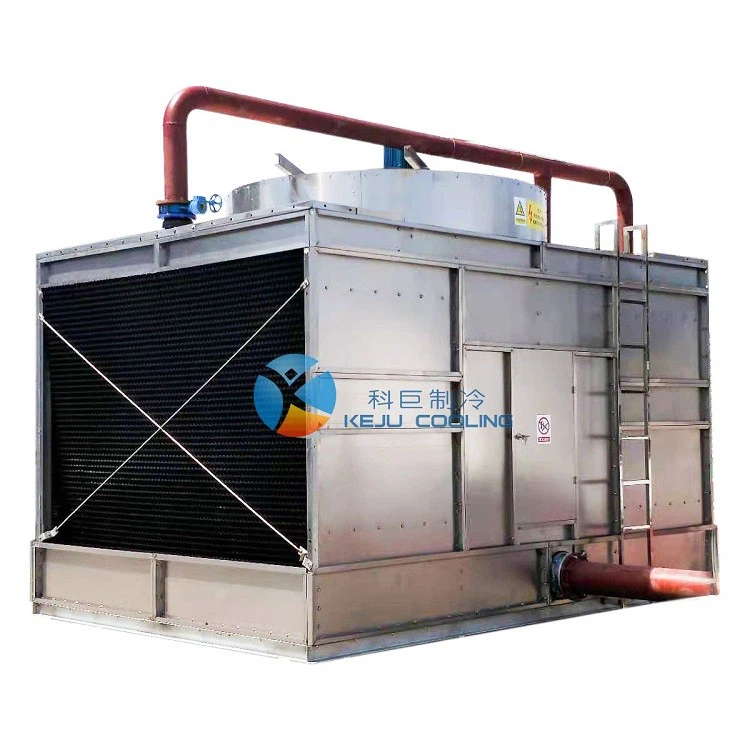
4. Improve the Louver Design
Louvers are an important part of the air outlet design, as they control the direction and amount of airflow. Well - designed louvers can prevent the entry of debris and water droplets while allowing for efficient airflow. The angle, spacing, and material of the louvers should be carefully selected to optimize their performance.
Case Studies: Successful Air Outlet Design Improvements
Case Study 1: A Manufacturing Plant
A manufacturing plant was experiencing low cooling efficiency and high energy consumption in its steel crossflow open cooling tower. After a thorough analysis, it was found that the air outlet design was causing significant recirculation of hot air. The plant decided to upgrade the air outlet by installing a larger, more streamlined air outlet with wind shields. The new design also included high - efficiency fans and improved louvers. As a result, the cooling efficiency of the tower increased by 20%, and the energy consumption was reduced by 15%.
Case Study 2: A Data Center
A data center was facing challenges with the cooling of its servers due to the poor performance of its cooling tower. The air outlet design was found to be inadequate, leading to uneven airflow and hot spots. The data center replaced the existing air outlet with a custom - designed air outlet that incorporated variable - speed fans and advanced wind - resistant features. After the upgrade, the temperature inside the data center became more stable, and the cooling system was able to operate more efficiently.
The Benefits of Improving Air Outlet Design
1. Enhanced Cooling Efficiency
An optimized air outlet design can improve the cooling efficiency of the steel crossflow open cooling tower by ensuring that the warm air is expelled effectively. This leads to lower operating temperatures and better performance of the cooling system.
2. Energy Savings
By reducing the recirculation of hot air and improving the airflow rate, an improved air outlet design can significantly reduce energy consumption. This not only saves costs but also reduces the environmental impact of the cooling tower.
3. Extended Lifespan
A well - designed air outlet can reduce the stress on the internal components of the cooling tower, such as fans and motors. This can extend the lifespan of these components, reducing maintenance costs and downtime.
Conclusion
Improving the design of the air outlet in a steel crossflow open cooling tower is a critical step in enhancing the performance, efficiency, and reliability of the cooling system. By considering factors such as airflow distribution, fan performance, and wind effects, and implementing strategies such as optimizing the shape and size of the air outlet, using high - efficiency fans, and incorporating wind - resistant features, significant improvements can be achieved.
If you are interested in improving the air outlet design of your Steel Crossflow Open Cooling Tower or exploring other options for Steel Open Water Cooling Tower or Open Circuit Evaporative Cooling Tower, please feel free to contact us for a consultation. We are committed to providing high - quality cooling solutions and helping you achieve the best performance from your cooling system.
References
- Cooling Tower Institute. (2023). Cooling Tower Design and Operation Guidelines.
- ASHRAE Handbook. (2022). HVAC Systems and Equipment.
- International Journal of Heat and Mass Transfer. (2021 - 2023). Various articles on cooling tower performance and design.