

What is the impact of water quality on a Square Cross Flow Open Cooling Tower?
Oct 17, 2025
Hey there! As a supplier of Square Cross Flow Open Cooling Towers, I've seen firsthand how water quality can make or break the performance of these cooling systems. In this blog, I'm gonna dive deep into the impact of water quality on a Square Cross Flow Open Cooling Tower, and why it's super important to keep an eye on it.
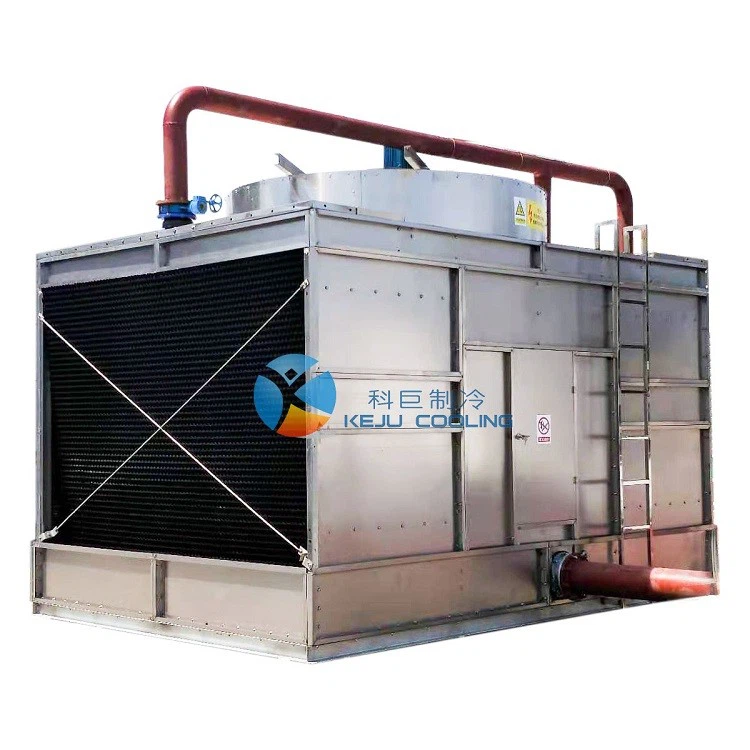
Let's start with the basics. A Square Cross Flow Open Cooling Tower is a key piece of equipment in many industrial and commercial settings. It works by using the natural process of evaporation to cool water that has been heated up during industrial processes or air - conditioning systems. The water flows down through the tower while air is drawn across it, causing some of the water to evaporate and carry away heat.
Now, when it comes to water quality, there are several factors that can have a significant impact on the functionality and lifespan of the cooling tower.
1. Scale Formation
One of the most common issues related to water quality is scale formation. If the water has high levels of dissolved minerals, like calcium and magnesium, these minerals can precipitate out of the water as it evaporates in the cooling tower. Over time, this forms a hard, crusty layer of scale on the surfaces inside the tower, such as the fill media and the heat exchange surfaces.
Scale acts as an insulator, reducing the efficiency of heat transfer. When the heat transfer is less efficient, the cooling tower has to work harder to achieve the same level of cooling. This means higher energy consumption and potentially higher operating costs. For example, a thin layer of scale can increase the energy consumption of a cooling tower by up to 20%. And if the scale buildup is severe, it can even lead to blockages in the water distribution system, causing uneven water flow and further reducing the tower's performance.
2. Corrosion
Another major concern is corrosion. Water with a low pH level (acidic water) or high levels of dissolved oxygen can cause corrosion of the metal components in the cooling tower. The tower is usually made of materials like steel, and when it comes into contact with corrosive water, the metal starts to break down.
Corrosion can weaken the structural integrity of the tower. For instance, it can cause the support beams to become brittle, increasing the risk of collapse. It can also damage the pipes and pumps in the system, leading to leaks and reduced water flow. Moreover, corrosion products can contaminate the water, creating a vicious cycle of further corrosion and potential fouling of the system.
3. Biological Growth
Poor water quality can also lead to the growth of various microorganisms in the cooling tower. Water that contains nutrients, such as organic matter and phosphates, provides an ideal environment for bacteria, algae, and fungi to thrive.
Algae growth can form a green slime on the surfaces of the tower, blocking the air passages and reducing the airflow. Bacteria, especially Legionella, can be a serious health hazard. Legionella bacteria can cause Legionnaires' disease, a severe form of pneumonia, when the contaminated water droplets are inhaled. Fungi can also cause problems by clogging the fill media and reducing the water - air contact area, which is crucial for efficient cooling.
4. Fouling
Fouling is a general term that refers to the accumulation of unwanted materials in the cooling tower. In addition to scale, corrosion products, and biological growth, other contaminants in the water, such as dirt, sand, and debris, can also contribute to fouling.
Fouling reduces the efficiency of the cooling tower by blocking the water and air flow paths. It can also increase the pressure drop across the tower, which means the fans and pumps have to work harder to maintain the required flow rates. This not only increases energy consumption but also puts more stress on the equipment, leading to more frequent breakdowns and maintenance requirements.
So, what can we do to mitigate these issues? Well, proper water treatment is essential. This can involve processes like filtration to remove suspended solids, chemical treatment to control scale and corrosion, and disinfection to kill microorganisms.
As a supplier, I always recommend our customers to invest in a good water treatment system. It may seem like an additional cost upfront, but in the long run, it can save a lot of money by improving the efficiency of the cooling tower and reducing maintenance and repair costs.
If you're in the market for a Square Cross Flow Open Cooling Tower, we've got some great options. Check out our Steel Crossflow Open Cooling Tower, Open Circuit Cross Flow Square Cooling Tower, and Cross Flow Open Type Cooling Tower. These towers are designed to be highly efficient and durable, but remember, proper water quality management is key to getting the most out of them.

If you have any questions about our cooling towers or need advice on water quality management for your cooling system, don't hesitate to reach out. We're here to help you make the best choice for your industrial or commercial cooling needs. Whether you're a small business or a large industrial facility, we've got the expertise and the products to meet your requirements. So, let's start a conversation and see how we can work together to optimize your cooling system.
References
- ASHRAE Handbook - HVAC Systems and Equipment. American Society of Heating, Refrigerating and Air - Conditioning Engineers.
- Cooling Tower Institute (CTI) Technical Papers. Cooling Tower Institute.
- Water Treatment Handbook for Cooling Towers. Various industry publications.