

What installation requirements are there for a cross flow open loop cooling tower?
Aug 21, 2026
Hey there! I'm a supplier of Cross Flow Open Loop Cooling Towers, and today I'm gonna talk about the installation requirements for these cooling towers.
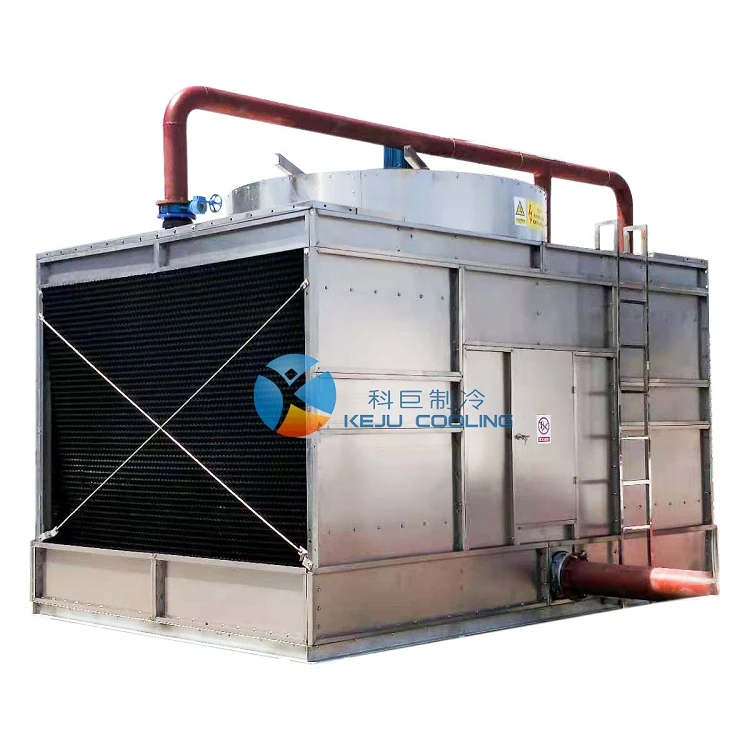
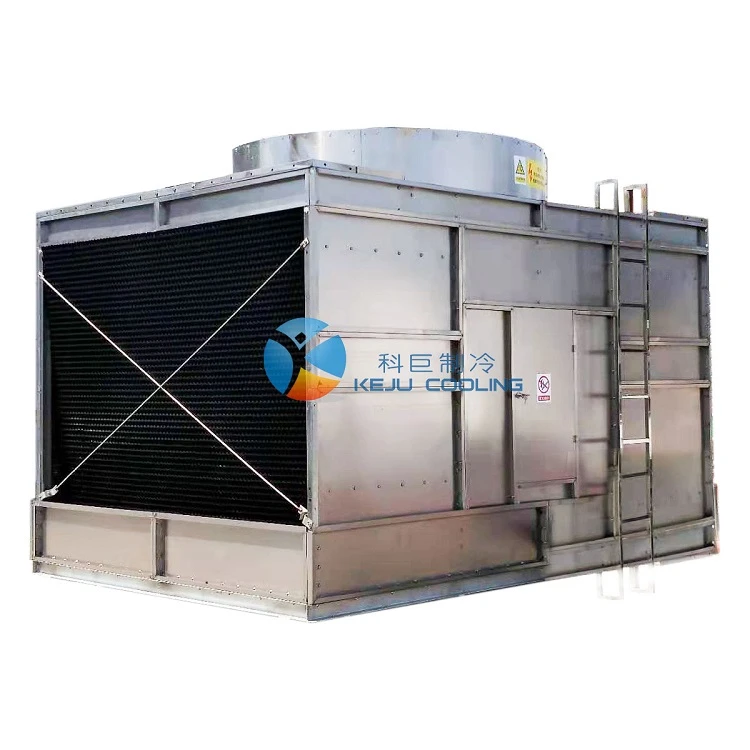
First off, let's understand what a Cross Flow Open Loop Cooling Tower is. It's a type of Open Circuit Evaporative Cooling Tower that allows air to flow horizontally across the water flow. This design provides efficient heat transfer and is widely used in various industrial and commercial applications. You can learn more about it on our Cross Flow Open Loop Cooling Tower page.
Site Selection
The first step in installing a cross flow open loop cooling tower is choosing the right site. The site should be well - ventilated. The cooling tower relies on air circulation to remove heat, so it needs to be placed in an area where there is no obstruction to the air flow. Avoid placing it near walls, large buildings, or other structures that could block the wind.
The ground where the cooling tower will be installed must be flat and level. Uneven ground can cause the tower to be unstable, which may lead to structural damage over time. Also, the ground should be able to support the weight of the cooling tower when it's full of water. A soil test might be necessary to determine if the ground has the required load - bearing capacity.
Foundation Requirements
A proper foundation is crucial for the long - term performance of the cooling tower. For a Cross Flow Steel Open Cooling Tower, a reinforced concrete foundation is usually recommended. The foundation should be sized according to the specifications of the cooling tower.
The thickness of the concrete foundation depends on the size and weight of the tower. Generally, a minimum thickness of 6 - 8 inches is required for smaller cooling towers, while larger ones may need a foundation up to 12 inches thick. The foundation should also have anchor bolts to secure the cooling tower firmly in place.
Water Supply and Drainage
A reliable water supply is essential for the operation of the cross flow open loop cooling tower. The water source should be clean and free from debris and contaminants. The water supply line should be properly sized to ensure an adequate flow rate to the cooling tower.
On the other hand, proper drainage is equally important. The cooling tower will generate a significant amount of water runoff as it cools the process water. The drainage system should be designed to handle this runoff efficiently. A sump pit or a drainage channel can be used to collect the water and direct it away from the cooling tower.
Electrical Requirements
The cooling tower usually has several electrical components, such as fans, pumps, and control systems. These components require a stable power supply. The electrical system should be installed by a qualified electrician to ensure safety.
The voltage and amperage requirements of the cooling tower depend on its size and the number of electrical components. Make sure the electrical panel can handle the load of the cooling tower. Also, proper grounding is necessary to prevent electrical hazards.
Air Intake and Outlet
The air intake and outlet of the cooling tower need to be carefully designed. The air intake should be located in an area where the air is clean and free from pollutants. It should also be large enough to allow sufficient air to enter the tower.
The outlet should be designed to expel the hot, moist air away from the tower and any nearby structures. If the hot air is recirculated back into the tower, it can reduce the cooling efficiency.
Assembly and Installation
When it comes to assembling and installing the cooling tower, it's important to follow the manufacturer's instructions. The tower components should be carefully assembled, and all connections should be tightened properly.
During the installation process, make sure that the internal parts, such as the fill material and the distribution system, are installed correctly. The fill material is responsible for increasing the surface area for heat transfer, so it needs to be evenly distributed.
Maintenance Access
After the installation, easy access for maintenance is a must. There should be walkways and platforms around the cooling tower to allow technicians to inspect and maintain the tower. Access doors should be provided to reach the internal components, such as the pumps and fans.
Safety Considerations
Safety is always a top priority. The cooling tower should be equipped with safety guards around the moving parts, such as the fans. Warning signs should be placed in prominent locations to alert people of potential hazards.
Also, the cooling tower should comply with all relevant safety standards and regulations. This includes fire safety, electrical safety, and environmental safety.
Commissioning
Once the installation is complete, the cooling tower needs to be commissioned. This involves testing all the components to ensure they are working properly. The water flow rate, air flow rate, and temperature differentials should be measured and compared with the design specifications.
If any issues are found during the commissioning process, they should be addressed immediately. This may involve adjusting the settings of the pumps, fans, or control systems.
Conclusion
Installing a cross flow open loop cooling tower requires careful planning and attention to detail. From site selection to commissioning, every step is crucial for the proper functioning of the cooling tower. If you're in the market for a Cross Flow Open Loop Cooling Tower, we're here to help. We have a wide range of cooling towers to meet your specific needs. Whether you're in the industrial or commercial sector, we can provide you with the right solution.
If you're interested in purchasing a cross flow open loop cooling tower or have any questions about the installation process, feel free to reach out to us. We're always ready to have a chat and discuss your requirements. Let's work together to find the best cooling solution for your business.