

What factors affect the cost of a cross flow open loop cooling tower?
Aug 21, 2025
In the industrial and commercial sectors, cross flow open loop cooling towers play a crucial role in maintaining optimal operating temperatures for various processes. As a supplier of [Cross Flow Open Loop Cooling Towers], I've had the opportunity to witness firsthand the diverse factors that influence their cost. Understanding these factors is essential for both buyers and industry professionals to make informed decisions. In this blog, I'll delve into the key elements that affect the cost of a cross flow open loop cooling tower.
Tower Size and Capacity
One of the most significant factors influencing the cost of a cross flow open loop cooling tower is its size and capacity. Larger cooling towers with higher cooling capacities generally cost more than smaller ones. This is because larger towers require more materials for construction, including the tower shell, fill media, and structural components. The increased size also means more complex manufacturing and installation processes, which add to the overall cost.
For example, a small-scale cross flow open loop cooling tower designed for a small industrial facility or a commercial building might have a relatively lower price due to its limited capacity. On the other hand, a large cooling tower used in a power plant or a large manufacturing facility, which needs to handle a substantial amount of heat load, will be significantly more expensive. The design and engineering required to ensure the tower can efficiently cool large volumes of water also contribute to the higher cost.
Materials of Construction
The choice of materials used in the construction of a cross flow open loop cooling tower has a major impact on its cost. Different materials offer varying levels of durability, corrosion resistance, and performance, which directly translate to different price points.
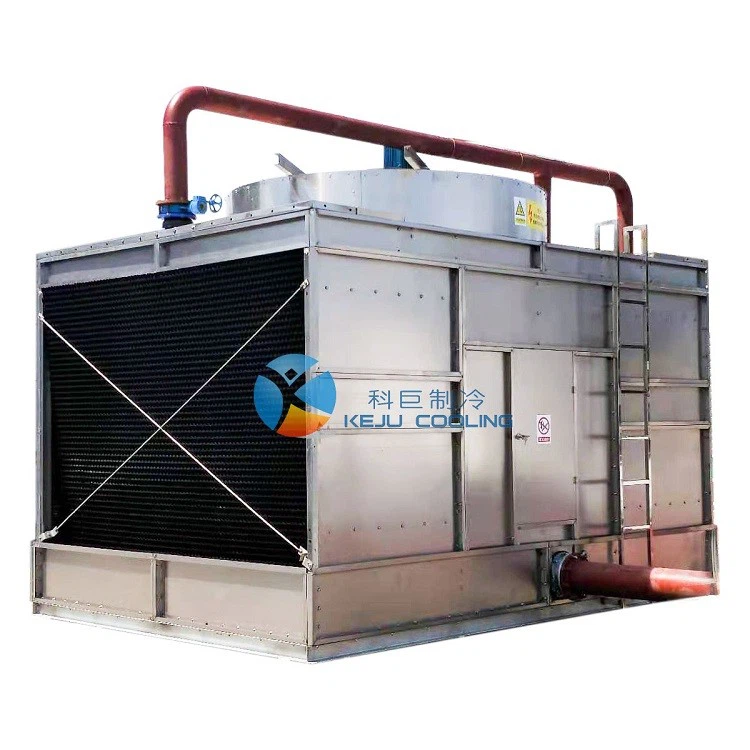
- Steel: Steel is a commonly used material for cooling tower construction. Steel Crossflow Open Cooling Tower offers good strength and structural integrity. However, the cost of steel can fluctuate depending on market conditions. Additionally, steel cooling towers may require additional coatings or treatments to prevent corrosion, which can add to the overall cost.
- Fiberglass Reinforced Plastic (FRP): FRP is another popular material due to its excellent corrosion resistance. It is often used in environments where the water or the surrounding atmosphere is corrosive. While FRP cooling towers may have a higher upfront cost compared to some steel towers, they can offer long - term cost savings due to their reduced maintenance requirements.
- Concrete: Concrete cooling towers are extremely durable and can be a cost - effective option for large - scale applications. However, the construction of concrete towers is labor - intensive and requires specialized equipment, which can drive up the initial cost.
Fill Media
The fill media in a cross flow open loop cooling tower is responsible for increasing the surface area of contact between the water and the air, which enhances the cooling efficiency. Different types of fill media have different costs associated with them.
- Film Fill: Film fill media consists of thin sheets that allow the water to form a thin film as it flows down. This type of fill media is highly efficient in heat transfer but can be more expensive due to its complex manufacturing process.
- Splash Fill: Splash fill media uses a series of slats or bars to break up the water into droplets. It is generally less expensive than film fill but may have lower cooling efficiency. The choice between film fill and splash fill depends on the specific requirements of the application and the balance between cost and performance.
Fan System
The fan system in a cross flow open loop cooling tower is responsible for moving air through the tower to facilitate the cooling process. The type and size of the fan, as well as its power consumption, can affect the cost.
- Axial Fans: Axial fans are commonly used in cooling towers due to their relatively low cost and high airflow capacity. However, they may have lower efficiency compared to some other types of fans.
- Centrifugal Fans: Centrifugal fans are more expensive but offer higher pressure capabilities and better energy efficiency in certain applications. The choice of fan depends on factors such as the tower size, the required airflow rate, and the available power supply. Additionally, the energy consumption of the fan over its lifespan can also impact the overall cost, as higher - power fans will result in higher electricity bills.
Location and Installation
The location where the cross flow open loop cooling tower will be installed can have a significant impact on the cost.
- Accessibility: If the installation site is difficult to access, such as a rooftop or a remote location, additional equipment and labor may be required to transport and install the cooling tower. This can increase the installation cost.
- Local Regulations: Different regions may have different regulations regarding the installation of cooling towers. These regulations may require additional safety features, permits, or environmental compliance measures, which can add to the overall cost. For example, in areas with strict air quality regulations, the cooling tower may need to be equipped with advanced air pollution control devices.
Maintenance Requirements
The long - term maintenance requirements of a cross flow open loop cooling tower also affect its cost. A cooling tower that requires frequent maintenance, such as regular cleaning, replacement of parts, or chemical treatment of the water, will have higher overall costs over its lifespan.
- Water Treatment: Proper water treatment is essential to prevent scaling, corrosion, and the growth of microorganisms in the cooling tower. The cost of water treatment chemicals and the equipment required for water treatment can be a significant ongoing expense.
- Component Replacement: Over time, components such as fans, motors, and fill media may need to be replaced. The frequency of replacement and the cost of the replacement parts depend on the quality of the initial components and the operating conditions of the tower.
Customization and Special Features
Some applications may require customized cross flow open loop cooling towers with special features. These customizations can significantly increase the cost.
- Noise Reduction: In noise - sensitive areas, such as near residential neighborhoods or hospitals, the cooling tower may need to be equipped with noise - reducing features, such as sound - absorbing materials or low - noise fans.
- High - Efficiency Options: For applications where energy efficiency is a top priority, the cooling tower may be designed with advanced features such as variable - speed drives for the fans or pumps. These high - efficiency options can reduce long - term operating costs but come with a higher upfront price.
Market Conditions
The overall market conditions, including supply and demand, raw material prices, and competition among suppliers, can also affect the cost of cross flow open loop cooling towers.

- Raw Material Prices: Fluctuations in the prices of steel, fiberglass, and other raw materials used in cooling tower construction can directly impact the cost of the towers. For example, if the price of steel increases due to a global shortage, the cost of steel - constructed cooling towers will likely go up.
- Competition: In a highly competitive market, suppliers may offer more competitive pricing to attract customers. On the other hand, in a market with limited competition, the prices may be relatively higher.
As a supplier of [Cross Flow Open Loop Cooling Towers], we understand that every customer has unique requirements. We are committed to providing high - quality cooling towers that meet the specific needs of each application while offering a competitive price. Whether you are looking for a Cross Flow Open Type Cooling Tower or a Cross Flow Steel Open Cooling Tower, we can help you find the best solution.
If you are interested in purchasing a cross flow open loop cooling tower or have any questions about the factors affecting the cost, please feel free to contact us for a detailed consultation. Our team of experts will work closely with you to understand your requirements and provide you with a customized solution that fits your budget.
References
- Cooling Tower Institute. "Cooling Tower Handbook."
- ASHRAE Handbook of HVAC Systems and Equipment.
- Manufacturer's technical specifications for cross flow open loop cooling towers.