

What are the safety precautions when operating an open circuit cooling tower?
Aug 06, 2026
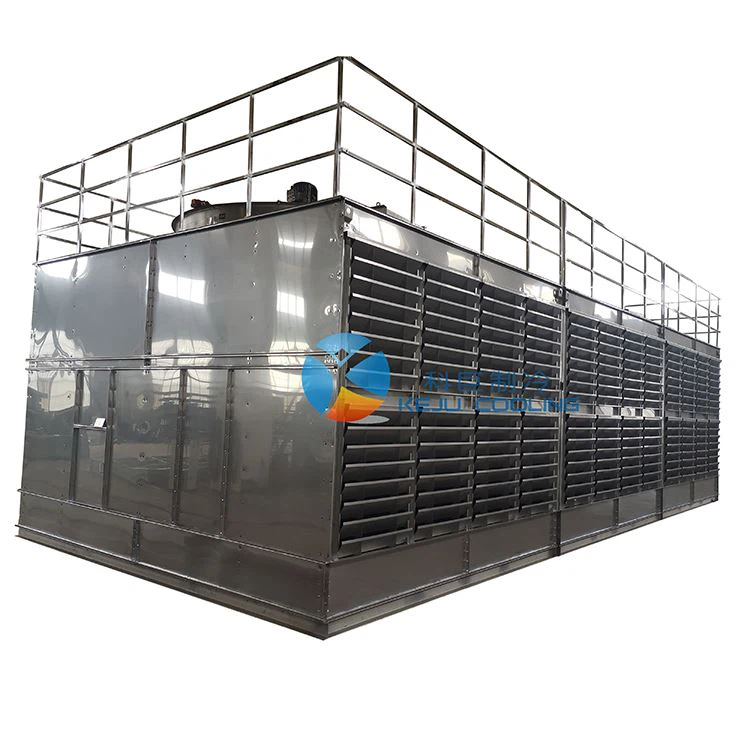
When operating an open circuit cooling tower, it is crucial to prioritize safety to prevent accidents and ensure the well - being of operators. As a reputable supplier of open circuit cooling towers, including Cross Flow Steel Open Cooling Tower, Cross Flow Open Loop Cooling Tower, and Open Circuit Evaporative Cooling Tower, we understand the significance of safety precautions. In this blog, we will discuss the essential safety guidelines when operating these cooling systems.
1. Personal Protective Equipment (PPE)
One of the fundamental safety measures is the proper use of personal protective equipment. Operators should always wear safety goggles to protect their eyes from splashes of water, which may contain chemicals or contaminants. Chemicals such as biocides, corrosion inhibitors, and scale preventatives are commonly used in open circuit cooling towers. These substances can cause irritation or more severe damage to the eyes if splashed.
In addition to safety goggles, operators must wear appropriate gloves. Rubber gloves are recommended as they provide a good barrier against chemicals and water. They can protect the skin from chemical burns and keep hands dry during maintenance tasks such as cleaning or adjusting the tower.
A hard hat is also necessary when working near the cooling tower. There may be a risk of falling objects, for example, loose parts from the tower structure or debris dislodged during cleaning operations. Wearing a hard hat can significantly reduce the risk of head injuries.
Furthermore, safety shoes with slip - resistant soles are essential. The cooling tower area is often wet, and there is a high risk of slipping. Slip - resistant safety shoes can prevent falls and maintain a stable footing while working around the tower.
2. Electrical Safety
Open circuit cooling towers often have electrical components such as pumps, fans, and control systems. Electrical safety is of utmost importance to avoid electrocution and electrical fires.
Before performing any maintenance or inspection on the electrical parts of the cooling tower, the power supply must be completely shut off. This should be done at the main electrical panel, and a lock - out/tag - out procedure should be followed. The lock - out/tag - out system ensures that the power cannot be accidentally restored while someone is working on the electrical equipment.
All electrical wiring and connections should be inspected regularly for signs of damage, such as frayed wires or loose connections. Any damaged components should be replaced immediately by a qualified electrician. Electrical enclosures should be properly sealed to prevent water ingress, as water can cause short circuits and electrical failures.
Grounding is another critical aspect of electrical safety. The cooling tower's electrical system should be properly grounded to provide a safe path for electrical current in case of a fault. This helps to prevent the development of dangerous voltages on the equipment's metal parts.

3. Chemical Handling
As mentioned earlier, open circuit cooling towers use various chemicals for water treatment. These chemicals can be hazardous if not handled properly.
Operators should receive comprehensive training on chemical handling procedures. When adding chemicals to the cooling tower, they should follow the manufacturer's instructions carefully regarding the proper dosage and mixing. Over - dosing or improper mixing of chemicals can lead to ineffective water treatment, corrosion of the tower components, or even the release of harmful fumes.
Chemicals should be stored in a well - ventilated, dry area away from direct sunlight. They should be stored in their original containers with clear labels indicating the chemical name, hazards, and handling instructions. Different types of chemicals should be stored separately to prevent incompatible reactions.
When transporting chemicals, operators should use appropriate containers and equipment. Chemical spills should be cleaned up immediately using absorbent materials, and the spill area should be properly decontaminated to prevent environmental pollution and potential health risks.
4. Tower Structure and Maintenance
Regular inspection of the cooling tower structure is essential to ensure its stability and safety. The tower's frame, support beams, and panels should be checked for signs of corrosion, rust, or structural damage. Corrosion can weaken the structure over time, increasing the risk of collapse.
The fill media inside the cooling tower should also be inspected regularly. The fill media provides a large surface area for heat transfer and water evaporation. If the fill media becomes clogged with dirt, debris, or biological growth, it can reduce the cooling efficiency and increase the risk of water splash - out. Any clogged or damaged fill media should be replaced promptly.
The fans and fan blades of the cooling tower should be inspected for balance and proper functioning. Unbalanced fan blades can cause excessive vibration, which may lead to structural damage and noise problems. Fan guards should be in place to prevent operators from accidentally coming into contact with the moving blades.
The water distribution system, including nozzles and pipes, should be inspected for blockages or leaks. Clogged nozzles can disrupt the water flow pattern, affecting the cooling performance, while leaks can lead to water wastage and potentially cause damage to the surrounding area.
5. Microbiological Safety
Open circuit cooling towers provide an ideal environment for the growth of microorganisms such as bacteria, fungi, and algae. Some of these microorganisms, such as Legionella pneumophila, can cause serious health problems, including Legionnaires' disease.
To prevent microbiological growth, a proper water treatment program should be implemented. This includes the use of biocides to control the growth of bacteria and other microorganisms. The water quality should be monitored regularly, including parameters such as pH, conductivity, and microbiological counts.
The cooling tower should be cleaned regularly to remove any biofilm or sediment that may accumulate on the tower surfaces. The basin of the cooling tower is particularly prone to the growth of microorganisms, and it should be thoroughly cleaned and disinfected at regular intervals.
6. Access and Egress Safety
The access points to the cooling tower, such as ladders and platforms, should be well - maintained and safe for use. Ladders should be securely attached to the tower structure and have proper handrails for support. Platforms should be stable and able to support the weight of operators and any equipment they may be carrying.
Adequate lighting should be provided in the access areas to ensure good visibility. Poor lighting can increase the risk of accidents, especially when operators are climbing ladders or working on platforms at night or in low - light conditions.
7. Emergency Preparedness
Despite all the safety precautions, emergencies can still occur when operating an open circuit cooling tower. Therefore, it is essential to have an emergency response plan in place.
The emergency response plan should include procedures for dealing with fires, chemical spills, electrical accidents, and medical emergencies. Operators should be trained on how to respond to these emergencies, including how to use fire extinguishers, first - aid kits, and spill - control equipment.
Regular emergency drills should be conducted to ensure that operators are familiar with the emergency response procedures and can act quickly and effectively in case of an emergency.
In conclusion, operating an open circuit cooling tower requires strict adherence to safety precautions. By following the guidelines mentioned above, operators can minimize the risk of accidents, protect their health, and ensure the efficient and reliable operation of the cooling tower. As a leading supplier of open circuit cooling towers, we are committed to providing high - quality products and also offer comprehensive safety training and support to our customers. If you are interested in purchasing our open circuit cooling towers or have any questions about their safe operation, we encourage you to contact us for further discussions and to start the procurement process. We will be more than happy to assist you in finding the most suitable cooling tower solution for your needs.