

How to install an open circuit evaporative cooling tower?
Jul 10, 2025
Installing an open circuit evaporative cooling tower is a significant undertaking that requires careful planning, technical know - how, and adherence to safety and performance standards. As a supplier of Open Circuit Evaporative Cooling Tower, I am well - versed in the process and will guide you through each step of the installation.
1. Pre - installation Preparation
Site Selection
The first step in installing an open circuit evaporative cooling tower is choosing the right site. The site should be level, with a solid foundation capable of supporting the weight of the cooling tower when it is fully operational. It should also have adequate space around it for maintenance access, as well as proper ventilation. Avoid placing the cooling tower near sources of heat, such as boilers or exhaust vents, as this can reduce its efficiency. Additionally, ensure that the site is away from areas where the drift (fine water droplets carried by the air) from the cooling tower can cause problems, such as on electrical equipment or in areas with high pedestrian traffic.
Equipment Inspection
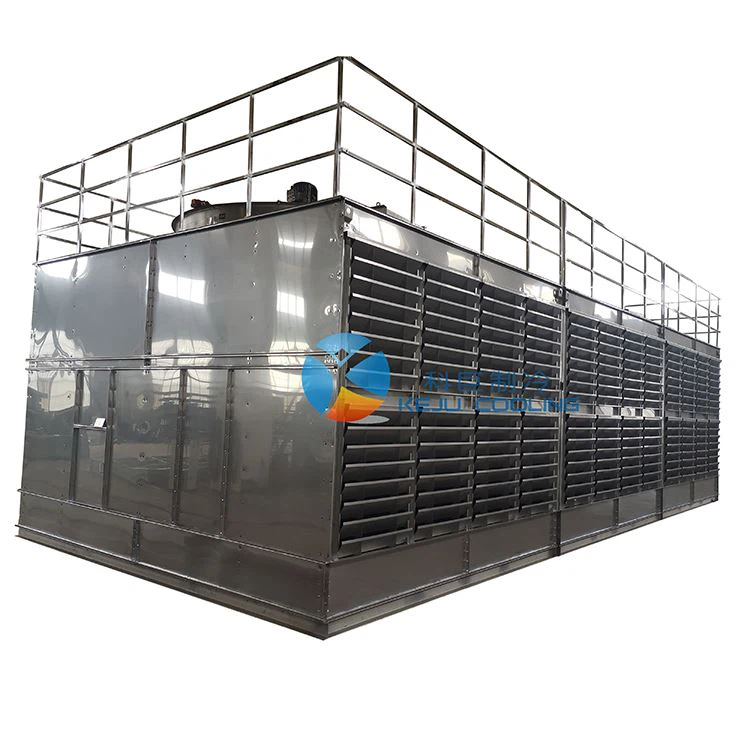
Before installation, thoroughly inspect all the components of the Open Circuit Evaporative Cooling Tower. Check for any signs of damage during transit, such as dents, cracks, or loose parts. Verify that all the necessary parts are included in the shipment, including the tower shell, fill media, fans, pumps, and piping. Make sure that the specifications of the equipment match the requirements of your project, such as the cooling capacity, flow rate, and water quality.

Safety Measures
Safety is of utmost importance during the installation process. Ensure that all workers are equipped with appropriate personal protective equipment (PPE), such as hard hats, safety glasses, gloves, and safety shoes. Set up safety barriers around the installation site to prevent unauthorized access. Familiarize all workers with the safety procedures and emergency response plans in case of any accidents.
2. Foundation Installation
Foundation Design
The foundation of the cooling tower must be designed to support the static and dynamic loads of the tower. For a Steel Open Water Cooling Tower, the foundation needs to be able to withstand the weight of the steel structure, as well as the weight of the water and the forces generated by the fans. The foundation should be made of reinforced concrete and should be sized according to the manufacturer's specifications.
Foundation Construction
Once the foundation design is finalized, start the construction process. Excavate the site to the required depth and compact the soil to ensure a stable base. Install the reinforcement bars according to the design, and then pour the concrete. Use proper vibration techniques to ensure that the concrete is well - compacted and free of voids. Allow the concrete to cure for the recommended period before proceeding with the tower installation.
3. Tower Assembly
Shell Installation
Begin by assembling the tower shell. The shell is usually made of fiberglass or steel, depending on the type of Open Circuit Evaporative Cooling Tower. Follow the manufacturer's instructions carefully when connecting the shell sections. Use the appropriate fasteners and sealants to ensure a watertight and airtight connection. Make sure that the shell is level and plumb during the installation process.
Fill Media Installation
The fill media is an essential component of the cooling tower as it provides a large surface area for the evaporation process. Carefully install the fill media inside the tower according to the design. The fill media should be evenly distributed to ensure uniform water flow and air distribution. Secure the fill media in place to prevent it from shifting during operation.
Fan and Motor Installation
Install the fans and motors on the top of the cooling tower. The fans are responsible for drawing air through the tower, which helps in the evaporation process. Make sure that the fans are properly aligned and balanced to avoid excessive vibration. Connect the motors to the power supply and test them to ensure that they are functioning correctly.
4. Piping and Plumbing Installation
Inlet and Outlet Piping
Install the inlet and outlet piping for the cooling tower. The inlet piping is used to supply hot water to the tower, while the outlet piping is used to discharge the cooled water. Use high - quality pipes and fittings that are suitable for the water quality and the operating conditions. Ensure that the piping is properly supported to prevent sagging or stress on the connections.
Water Distribution System
Install the water distribution system inside the tower. This system is responsible for evenly distributing the hot water over the fill media. The water distribution system usually consists of nozzles or spray headers. Make sure that the nozzles are properly aligned and adjusted to ensure uniform water distribution.
Drainage System
Install the drainage system to remove any excess water from the tower. The drainage system should be designed to prevent waterlogging inside the tower, which can lead to corrosion and other problems.
5. Electrical and Control System Installation
Electrical Wiring
Connect the electrical wiring for the fans, motors, pumps, and other electrical components of the cooling tower. Use appropriate wiring sizes and insulation to ensure safe and efficient operation. Follow the electrical codes and standards during the installation process.
Control System Installation
Install the control system for the cooling tower. The control system is used to monitor and regulate the operation of the tower, such as the fan speed, water flow rate, and water temperature. Make sure that the control system is properly calibrated and programmed to meet the requirements of your project.
6. Testing and Commissioning
Leak Testing
Once the installation is complete, conduct a leak test on the cooling tower. Fill the tower with water and check for any leaks in the shell, piping, and connections. Repair any leaks immediately to prevent water loss and ensure the proper operation of the tower.
Performance Testing
After the leak test, perform a performance test on the cooling tower. Measure the cooling capacity, water flow rate, and air flow rate to ensure that the tower is operating at the specified performance levels. Adjust the operating parameters if necessary to optimize the performance of the tower.
Commissioning
Once the performance testing is satisfactory, commission the cooling tower. Train the operators on how to operate and maintain the tower properly. Provide them with the operation and maintenance manuals and ensure that they are familiar with the safety procedures.
7. Maintenance and Support
Regular Maintenance
To ensure the long - term performance and reliability of the Open Circuit Evaporative Cooling Tower, regular maintenance is required. This includes cleaning the fill media, checking the fan and motor bearings, inspecting the piping for corrosion, and monitoring the water quality.
Technical Support
As a supplier, we offer comprehensive technical support to our customers. If you encounter any problems during the installation, operation, or maintenance of the cooling tower, our team of experts is available to provide you with assistance and solutions.
If you are interested in purchasing an Open Circuit Evaporative Cooling Tower, a Steel Open Water Cooling Tower, or a Cross Flow Open Type Cooling Tower, please feel free to contact us for more information and to discuss your specific requirements. We are committed to providing high - quality products and excellent service to our customers.
References
- Cooling Tower Institute (CTI). Standards for evaporative cooling towers.
- ASHRAE Handbook - HVAC Systems and Equipment. American Society of Heating, Refrigerating and Air - Conditioning Engineers.
- Manufacturer's installation and operation manuals for open circuit evaporative cooling towers.