

How to extend the lifespan of a Crossflow Open Type Cooling Tower?
Jan 16, 2026
Hey there! As a supplier of Crossflow Open Type Cooling Towers, I’ve seen firsthand how these babies can be real workhorses in industrial setups. But like any piece of equipment, they need a bit of TLC to keep running smoothly and last for a long time. So, let's dive into how you can extend the lifespan of a Crossflow Open Type Cooling Tower.
Regular Maintenance Checks
First things first, regular maintenance is key. You wouldn't go years without servicing your car, right? The same goes for your cooling tower. Set up a routine maintenance schedule. This should include checking the tower's mechanical components, like the fans, motors, and pumps. Make sure the fan blades are in good shape without any signs of wear or damage. Bent or worn - out blades can not only reduce the tower's efficiency but also put extra stress on the motor, leading to premature failure.
Inspect the motor regularly for proper lubrication. Motors that aren't lubricated correctly can overheat and burn out. And don't forget about the pumps. Check the pump's impellers for any blockages or signs of corrosion. A clogged pump can't circulate water effectively, which will mess up the whole cooling process.
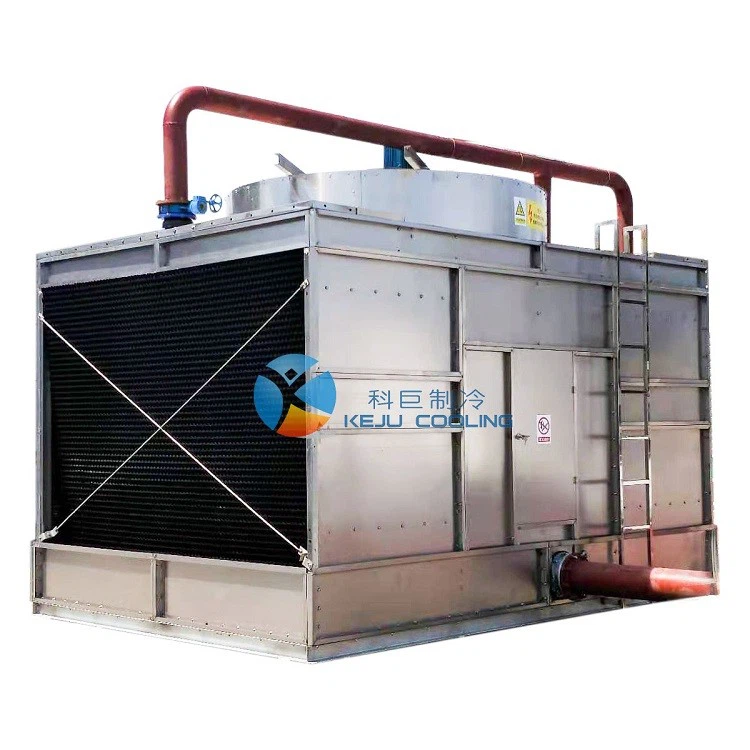

Also, take a good look at the tower's structure. Our Steel Crossflow Open Cooling Tower is made of sturdy steel, but it's still susceptible to rust and corrosion, especially in harsh environments. Look for any signs of rust spots and treat them immediately. You can use a rust - inhibiting paint to prevent further corrosion and keep the structure strong.
Water Quality Management
The quality of the water running through your cooling tower is crucial. Poor water quality can cause all sorts of problems, like scale buildup, corrosion, and the growth of algae and bacteria. Start by installing a water treatment system. This can include filters to remove debris and sediment, as well as chemical treatment to control scale and corrosion.
Scale is a big culprit. It forms when minerals in the water precipitate out and stick to the tower's surfaces, like the fill material and heat transfer tubes. This reduces the tower's efficiency because it insulates the heat transfer surfaces, making it harder for the water to cool down. To prevent scale, you can use scale inhibitors, which keep the minerals in solution and stop them from forming deposits.
Corrosion is another issue. It can eat away at the metal components of the tower, weakening the structure and shortening its lifespan. Corrosion inhibitors can be added to the water to create a protective layer on the metal surfaces, preventing them from reacting with the water and oxygen.
And let's not forget about algae and bacteria. These can grow in the warm, moist environment of the cooling tower and form slime. This slime can clog the fill material and reduce water flow. Biocides can be used to control the growth of these microorganisms. Just make sure to follow the manufacturer's instructions when using chemicals to avoid any negative impacts on the tower or the environment.
Proper Airflow Management
Good airflow is essential for the efficient operation of a Crossflow Open Type Cooling Tower. The tower relies on the movement of air through the fill material to cool the water. So, make sure there are no obstructions around the tower that could block the airflow.
Trim any trees or bushes that are too close to the tower. These can block the intake of fresh air and reduce the tower's cooling capacity. Also, check the air louvers on the tower. Over time, they can get clogged with dirt and debris, restricting the airflow. Clean the louvers regularly to ensure proper ventilation.
The fan also plays a crucial role in airflow. Make sure the fan is operating at the correct speed. A fan that's running too slow won't provide enough airflow, while a fan that's running too fast can cause excessive wear and tear. You can adjust the fan speed if necessary to optimize the airflow and the tower's performance.
Monitoring and Control Systems
Installing a monitoring and control system is a great way to keep an eye on your cooling tower's performance and catch any potential problems early. These systems can measure various parameters, such as water temperature, flow rate, and pH level.
By monitoring the water temperature, you can ensure that the tower is cooling the water effectively. If the water temperature starts to rise, it could be a sign of a problem, like a blocked pump or a malfunctioning fan.
The flow rate is also important. A decrease in flow rate could indicate a blockage in the pipes or the fill material. Monitoring the pH level of the water helps you maintain the right chemical balance in the water treatment system. If the pH level is too high or too low, it can affect the effectiveness of the scale and corrosion inhibitors.
Most modern monitoring and control systems can be connected to your smartphone or computer, so you can keep tabs on the tower's performance even when you're not on - site.
Training and Education
Make sure your staff is properly trained on how to operate and maintain the cooling tower. They should understand the importance of regular maintenance, water quality management, and proper airflow.
Provide training on how to use the monitoring and control system. They should know how to read the data and recognize any abnormal readings. And don't forget about safety training. Working around a cooling tower can be dangerous, so your staff should be aware of all the safety procedures, like wearing appropriate protective gear when handling chemicals.
Timely Repairs and Upgrades
When you notice a problem with the cooling tower, don't wait. Address it as soon as possible. A small issue, like a loose bolt or a minor leak, can turn into a major problem if left untreated.
If a component is starting to wear out, consider replacing it before it fails completely. This can prevent costly downtime and damage to other parts of the tower.
Also, keep an eye on new technologies and upgrades. Our Open Circuit Evaporative Cooling Tower and Cross Flow Open Loop Cooling Tower are constantly being improved, and upgrading your tower with the latest features can enhance its performance and extend its lifespan.
In conclusion, extending the lifespan of a Crossflow Open Type Cooling Tower is all about taking a proactive approach. Regular maintenance, proper water quality management, good airflow, monitoring, staff training, and timely repairs are all essential. If you have any questions about how to take better care of your cooling tower or if you're interested in purchasing a new one, don't hesitate to reach out. We're here to help you keep your cooling tower running in top - notch condition for years to come.
References
- ASHRAE Handbook: HVAC Systems and Equipment.
- Cooling Technology Institute (CTI) Standards.
- Manufacturer's manuals for Crossflow Open Type Cooling Towers.