

How to ensure proper water level in a Square Cross Flow Open Cooling Tower?
Sep 04, 2025
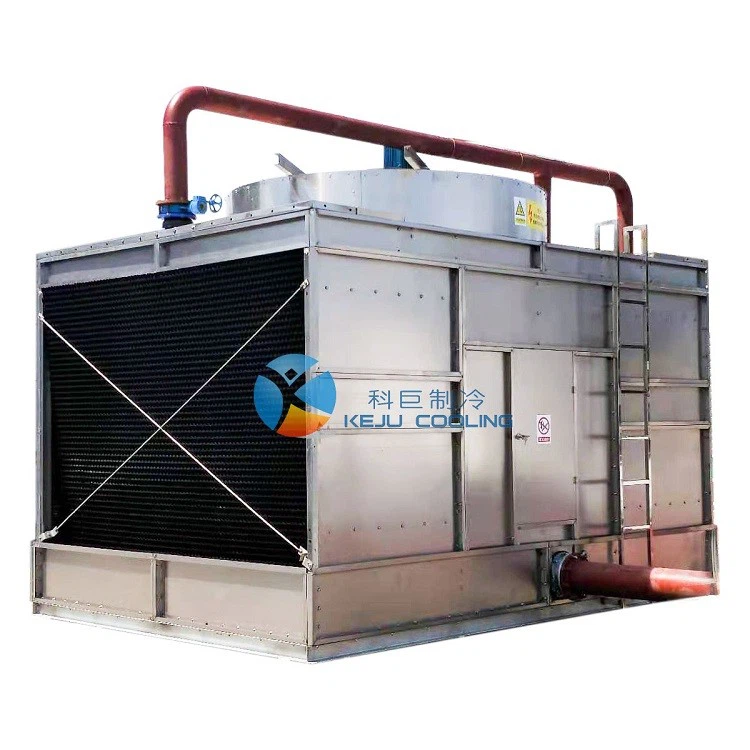
Maintaining the proper water level in a Square Cross Flow Open Cooling Tower is crucial for its efficient operation and longevity. As a leading supplier of Square Cross Flow Open Cooling Towers, we understand the significance of this aspect and are here to share some valuable insights on how to ensure the right water level.
Understanding the Importance of Proper Water Level
Before delving into the methods of maintaining the water level, it's essential to understand why it matters. A proper water level ensures that the cooling tower can effectively transfer heat from the hot water to the ambient air. If the water level is too low, the tower may not be able to provide sufficient contact between the water and the air, leading to reduced cooling efficiency. On the other hand, an excessively high water level can cause water to overflow, resulting in water wastage and potential damage to the surrounding area.
Factors Affecting Water Level in a Square Cross Flow Open Cooling Tower
Several factors can influence the water level in a Square Cross Flow Open Cooling Tower. These include evaporation, drift loss, blowdown, and make-up water supply.
- Evaporation: As the hot water is exposed to the ambient air in the cooling tower, a significant amount of water is lost through evaporation. This is a natural process that helps in cooling the water but also reduces the water level in the tower.
- Drift Loss: Drift loss occurs when small water droplets are carried away by the air leaving the cooling tower. Although modern cooling towers are equipped with drift eliminators to minimize this loss, some amount of water is still lost in the form of drift.
- Blowdown: Blowdown is the process of removing a portion of the concentrated water from the cooling tower to prevent the build-up of dissolved solids and other impurities. This also results in a reduction in the water level.
- Make-up Water Supply: To compensate for the water lost through evaporation, drift loss, and blowdown, make-up water needs to be added to the cooling tower. The rate of make-up water supply should be carefully regulated to maintain the proper water level.
Methods to Ensure Proper Water Level
Now that we understand the factors affecting the water level, let's discuss some effective methods to ensure that the water level in a Square Cross Flow Open Cooling Tower remains within the optimal range.
1. Install a Water Level Control System
A water level control system is an essential component of any cooling tower. It consists of a float valve or a level sensor that monitors the water level in the tower and automatically adjusts the make-up water supply accordingly. When the water level drops below the set point, the control system opens the make-up water valve to allow more water to enter the tower. Conversely, when the water level reaches the upper limit, the valve is closed to stop the water flow.
There are different types of water level control systems available, including mechanical float valves, electronic level sensors, and pneumatic control systems. The choice of the control system depends on the specific requirements of the cooling tower and the budget.
2. Regularly Monitor the Water Level
In addition to installing a water level control system, it's important to regularly monitor the water level in the cooling tower. This can be done manually by visually inspecting the water level indicator or by using a digital level monitoring device. By monitoring the water level on a regular basis, you can detect any abnormalities or fluctuations early and take appropriate action to correct them.
3. Adjust the Make-up Water Supply Rate
The make-up water supply rate should be adjusted based on the operating conditions of the cooling tower. Factors such as the ambient temperature, humidity, and the flow rate of the hot water can affect the rate of water loss through evaporation and drift. During hot and dry weather conditions, the evaporation rate is higher, and more make-up water may be required to maintain the proper water level. Conversely, during cool and humid weather, the evaporation rate is lower, and the make-up water supply can be reduced.
4. Minimize Drift Loss
As mentioned earlier, drift loss is one of the factors that contribute to the reduction in the water level in the cooling tower. To minimize drift loss, it's important to ensure that the cooling tower is equipped with high-quality drift eliminators. Drift eliminators are designed to capture the water droplets entrained in the air leaving the tower and return them to the tower. Regular maintenance and inspection of the drift eliminators are also necessary to ensure their proper functioning.
5. Optimize Blowdown
Blowdown is an important process for maintaining the water quality in the cooling tower, but it also results in water loss. To optimize blowdown, it's important to determine the appropriate blowdown rate based on the water quality and the operating conditions of the cooling tower. This can be done by conducting regular water quality tests and analyzing the results. By optimizing the blowdown rate, you can minimize the water loss while still maintaining the water quality.

Additional Considerations
In addition to the above methods, there are some other considerations that can help in ensuring the proper water level in a Square Cross Flow Open Cooling Tower.
- Proper Installation: The cooling tower should be installed correctly to ensure proper water distribution and circulation. Improper installation can lead to uneven water flow and water accumulation in certain areas of the tower, which can affect the water level.
- Regular Maintenance: Regular maintenance of the cooling tower is essential for its efficient operation. This includes cleaning the tower, inspecting the components, and replacing any worn-out parts. By keeping the cooling tower in good condition, you can prevent water leaks and other problems that can affect the water level.
- Training and Education: The operators of the cooling tower should be properly trained and educated on the importance of maintaining the proper water level and the methods to achieve it. This will help in ensuring that the cooling tower is operated and maintained correctly.
Conclusion
Maintaining the proper water level in a Square Cross Flow Open Cooling Tower is essential for its efficient operation and longevity. By understanding the factors affecting the water level and implementing the methods discussed in this blog, you can ensure that the water level in your cooling tower remains within the optimal range.
As a leading supplier of Square Cross Flow Open Cooling Towers, we offer a wide range of high-quality cooling towers, including Steel Crossflow Open Cooling Tower, Steel Open Water Cooling Tower, and Open Circuit Cross Flow Square Cooling Tower. Our cooling towers are designed to provide efficient cooling and reliable performance. If you are interested in purchasing a cooling tower or have any questions about maintaining the water level, please feel free to contact us for a detailed discussion and procurement negotiation.
References
- Cooling Tower Institute (CTI). Cooling Tower Standards and Guidelines.
- ASHRAE Handbook - HVAC Systems and Equipment. American Society of Heating, Refrigerating and Air-Conditioning Engineers.