

How to determine when to replace the components in a cross flow open loop cooling tower?
Jul 23, 2025
As a provider of Cross Flow Open Loop Cooling Towers, I understand the importance of maintaining these systems to ensure their optimal performance and longevity. One of the key aspects of maintenance is knowing when to replace the components in a cross flow open loop cooling tower. In this blog, I will share some insights on how to determine the right time for component replacement.

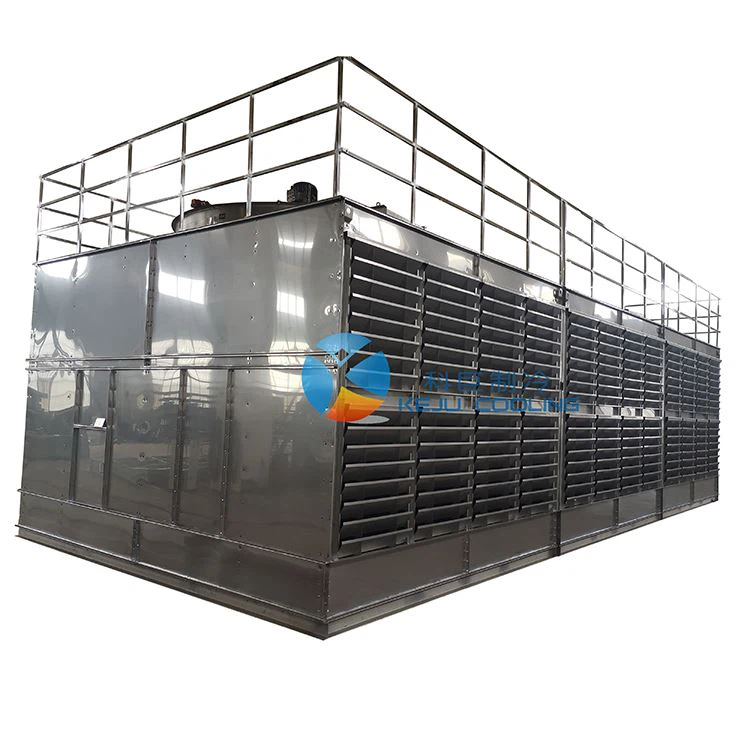
Understanding the Cross Flow Open Loop Cooling Tower
Before delving into the replacement criteria, let's briefly understand the cross flow open loop cooling tower. This type of cooling tower is designed to cool water by exposing it to air in a cross flow pattern. The water flows vertically through the fill media, while the air flows horizontally across it. This design allows for efficient heat transfer and cooling.
The main components of a cross flow open loop cooling tower include the fill media, fans, motors, drift eliminators, nozzles, and basins. Each of these components plays a crucial role in the cooling process, and their proper functioning is essential for the overall performance of the tower.
Factors Affecting Component Lifespan
Several factors can affect the lifespan of the components in a cross flow open loop cooling tower. These include:
- Operating Conditions: The operating conditions of the cooling tower, such as temperature, humidity, and water quality, can have a significant impact on the lifespan of the components. For example, high temperatures and humidity can accelerate the corrosion of metal components, while poor water quality can lead to scaling and fouling of the fill media and nozzles.
- Maintenance Practices: Regular maintenance is crucial for extending the lifespan of the components in a cooling tower. This includes cleaning the fill media, checking the fans and motors, and monitoring the water quality. Neglecting maintenance can lead to premature component failure.
- Component Quality: The quality of the components used in the cooling tower can also affect their lifespan. Using high-quality components can ensure better performance and durability, while low-quality components may need to be replaced more frequently.
Signs that Components Need to be Replaced
Now that we understand the factors affecting component lifespan, let's look at some signs that indicate it's time to replace the components in a cross flow open loop cooling tower.
- Reduced Cooling Efficiency: If you notice a decrease in the cooling efficiency of the tower, it could be a sign that the fill media or other components are not functioning properly. This could be due to scaling, fouling, or damage to the fill media.
- Increased Energy Consumption: A sudden increase in energy consumption could indicate that the fans or motors are not operating efficiently. This could be due to worn-out bearings, belts, or other components.
- Excessive Noise or Vibration: Unusual noise or vibration coming from the cooling tower could be a sign of a problem with the fans, motors, or other components. This could be due to loose or damaged parts, misalignment, or imbalance.
- Visible Damage: Visible damage to the components, such as cracks, corrosion, or wear, is a clear sign that they need to be replaced. This could be due to normal wear and tear, exposure to harsh environmental conditions, or improper installation.
- Water Leakage: Water leakage from the cooling tower could be a sign of a problem with the basins, pipes, or other components. This could be due to cracks, holes, or loose connections.
How to Determine the Right Time for Component Replacement
To determine the right time for component replacement, it's important to conduct regular inspections and monitoring of the cooling tower. This includes:
- Visual Inspections: Conduct visual inspections of the cooling tower on a regular basis to check for signs of damage, wear, or fouling. Look for cracks, corrosion, scaling, and other visible problems.
- Performance Monitoring: Monitor the performance of the cooling tower, including the cooling efficiency, energy consumption, and water quality. Compare the performance data with the manufacturer's specifications to identify any deviations.
- Component Testing: Conduct component testing, such as fan blade balancing, motor efficiency testing, and water quality analysis, to determine the condition of the components. This can help you identify potential problems before they cause significant damage.
- Maintenance Records: Keep detailed maintenance records of the cooling tower, including the date of installation, maintenance activities, and component replacements. This can help you track the lifespan of the components and plan for future replacements.
Recommended Replacement Intervals
While the replacement intervals for the components in a cross flow open loop cooling tower can vary depending on the operating conditions and maintenance practices, here are some general guidelines:
- Fill Media: The fill media should be replaced every 5 to 10 years, depending on the type of fill media and the operating conditions. If the fill media is severely fouled or damaged, it may need to be replaced more frequently.
- Fans and Motors: The fans and motors should be inspected and maintained on a regular basis, and the bearings, belts, and other components should be replaced as needed. The fans and motors may need to be replaced every 10 to 15 years, depending on the usage and operating conditions.
- Drift Eliminators: The drift eliminators should be replaced every 5 to 10 years, depending on the type of drift eliminators and the operating conditions. If the drift eliminators are severely fouled or damaged, they may need to be replaced more frequently.
- Nozzles: The nozzles should be inspected and cleaned on a regular basis, and the worn or damaged nozzles should be replaced as needed. The nozzles may need to be replaced every 2 to 5 years, depending on the type of nozzles and the operating conditions.
- Basins: The basins should be inspected and cleaned on a regular basis, and the cracked or damaged basins should be repaired or replaced as needed. The basins may need to be replaced every 10 to 15 years, depending on the type of basins and the operating conditions.
Conclusion
In conclusion, knowing when to replace the components in a cross flow open loop cooling tower is crucial for maintaining the optimal performance and longevity of the system. By understanding the factors affecting component lifespan, monitoring the performance of the cooling tower, and conducting regular inspections and maintenance, you can determine the right time for component replacement and avoid costly breakdowns and downtime.
If you are in the market for a new cross flow open loop cooling tower or need to replace the components in your existing cooling tower, we offer a wide range of high-quality products, including the Open Circuit Cross Flow Square Cooling Tower, Steel Crossflow Open Cooling Tower, and Open Circuit Evaporative Cooling Tower. Our experienced team can help you select the right product for your needs and provide you with professional installation and maintenance services.
Contact us today to learn more about our products and services and to discuss your cooling tower requirements. We look forward to working with you!
References
- Cooling Tower Institute. (n.d.). Cooling Tower Maintenance Best Practices. Retrieved from [Website URL]
- ASHRAE. (2019). ASHRAE Handbook - HVAC Systems and Equipment. Atlanta, GA: American Society of Heating, Refrigerating and Air-Conditioning Engineers.
- Manufacturer's manuals and specifications for cross flow open loop cooling towers.