

How does a cross flow closed loop cooling tower handle different load conditions?
Aug 24, 2026
Hey there! As a supplier of Cross Flow Closed Loop Cooling Towers, I've seen firsthand how these bad boys handle different load conditions. It's pretty fascinating stuff, and I'm stoked to share it with you.
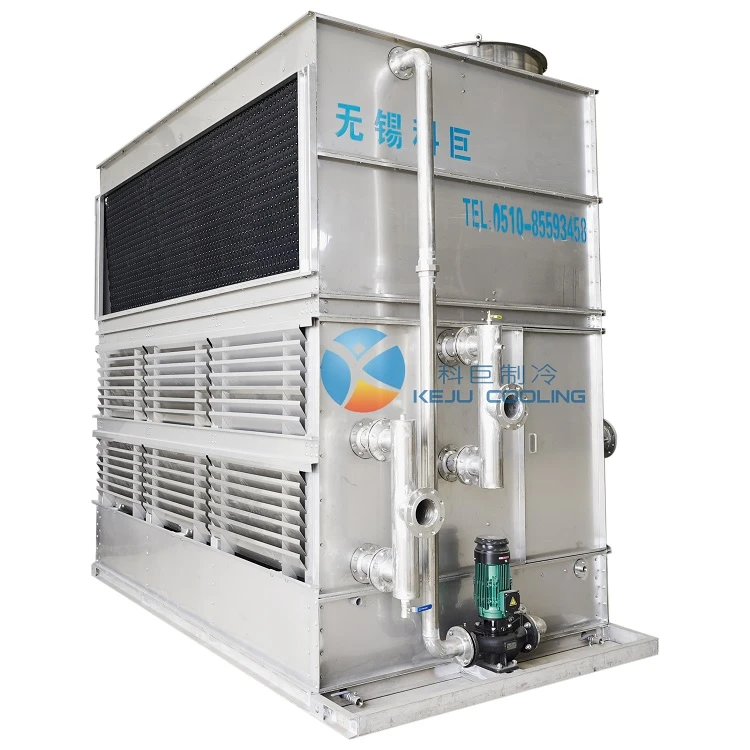
Let's start with the basics. A cross flow closed loop cooling tower is a key player in industrial cooling systems. It works by using a combination of air and water to cool a closed loop of fluid, usually water or a water-glycol mixture. The fluid circulates through a series of tubes or coils inside the tower, while air is drawn through the tower at a right angle to the fluid flow. This cross flow design allows for efficient heat transfer, which is crucial for maintaining optimal operating temperatures in various industrial processes.
Now, let's talk about load conditions. In the industrial world, load conditions can vary widely depending on a number of factors, such as the time of day, the season, and the specific process being cooled. For example, a manufacturing plant might experience higher loads during peak production hours, while a data center might see increased loads during periods of high data traffic. So, how does a cross flow closed loop cooling tower handle these different load conditions?
Variable Speed Fans
One of the most effective ways to handle different load conditions is by using variable speed fans. These fans can adjust their speed based on the load requirements of the cooling tower. When the load is low, the fans can run at a lower speed, which reduces energy consumption and noise levels. On the other hand, when the load is high, the fans can ramp up to provide more airflow and increase the cooling capacity of the tower.
Variable speed fans are controlled by a sophisticated control system that monitors the temperature of the fluid being cooled and adjusts the fan speed accordingly. This ensures that the cooling tower is always operating at the most efficient level possible, regardless of the load conditions.
Multiple Cell Configurations
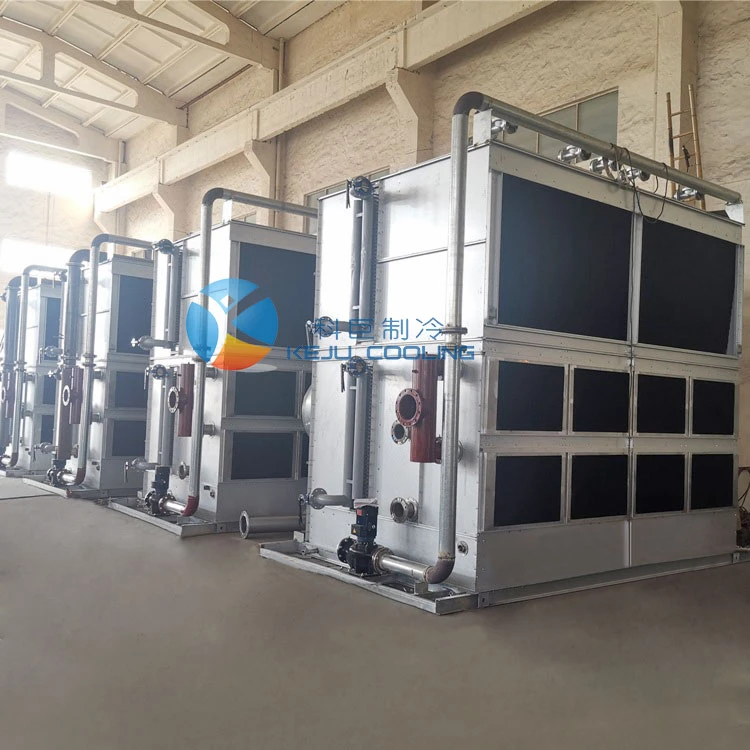
Another way to handle different load conditions is by using multiple cell configurations. A cross flow closed loop cooling tower can be designed with multiple cells, each of which can operate independently. This allows the tower to adjust its cooling capacity based on the load requirements.
For example, if the load is low, only one or two cells might be needed to provide the necessary cooling. On the other hand, if the load is high, all of the cells can be activated to increase the cooling capacity of the tower. Multiple cell configurations also provide redundancy, which means that if one cell fails, the other cells can continue to operate and provide cooling.
Water Flow Control
In addition to variable speed fans and multiple cell configurations, water flow control is also an important factor in handling different load conditions. By adjusting the flow rate of the water through the cooling tower, it's possible to optimize the heat transfer process and ensure that the tower is operating at the most efficient level possible.
When the load is low, the water flow rate can be reduced, which reduces the energy consumption of the pump and the overall operating cost of the cooling tower. On the other hand, when the load is high, the water flow rate can be increased to provide more cooling capacity.
Advanced Control Systems
To ensure that the cross flow closed loop cooling tower is operating at the most efficient level possible, it's important to use advanced control systems. These systems can monitor a variety of parameters, such as the temperature of the fluid being cooled, the humidity of the air, and the flow rate of the water, and adjust the operation of the cooling tower accordingly.
Advanced control systems can also provide real-time data and analytics, which can be used to optimize the performance of the cooling tower and identify potential issues before they become major problems. This helps to ensure that the cooling tower is always operating at peak efficiency and reduces the risk of downtime and costly repairs.
Real-World Examples
Let's take a look at some real-world examples of how a cross flow closed loop cooling tower can handle different load conditions.
Example 1: Manufacturing Plant
A manufacturing plant has a cross flow closed loop cooling tower that is used to cool the process water for a production line. During peak production hours, the load on the cooling tower is high, and the temperature of the process water needs to be kept within a narrow range to ensure optimal production efficiency.
To handle this high load condition, the cooling tower is equipped with variable speed fans and a multiple cell configuration. The control system monitors the temperature of the process water and adjusts the fan speed and the number of cells in operation accordingly. This ensures that the cooling tower is providing the necessary cooling capacity while operating at the most efficient level possible.
Example 2: Data Center
A data center has a cross flow closed loop cooling tower that is used to cool the servers. During periods of high data traffic, the load on the cooling tower is high, and the temperature of the servers needs to be kept within a narrow range to prevent overheating and ensure reliable operation.
To handle this high load condition, the cooling tower is equipped with variable speed fans, multiple cell configurations, and an advanced control system. The control system monitors the temperature of the servers and the ambient air, and adjusts the fan speed, the number of cells in operation, and the water flow rate accordingly. This ensures that the cooling tower is providing the necessary cooling capacity while operating at the most efficient level possible.
Conclusion
In conclusion, a cross flow closed loop cooling tower is a highly effective solution for handling different load conditions in industrial cooling systems. By using variable speed fans, multiple cell configurations, water flow control, and advanced control systems, it's possible to optimize the performance of the cooling tower and ensure that it is operating at the most efficient level possible.
If you're in the market for a cross flow closed loop cooling tower, I encourage you to check out our Cross Flow Natural Draft Closed Cooling Tower, Closed Circuit Cross Flow Cooling Tower, and Cross Flow Closed Circuit Cooling Tower. We offer a wide range of cooling tower solutions to meet the needs of various industrial applications.
If you have any questions or would like to discuss your specific cooling requirements, please don't hesitate to contact us. We're here to help you find the right cooling solution for your business.