

Can a Crossflow Open Type Cooling Tower be used in cold climates?
Aug 01, 2025
Can a Crossflow Open Type Cooling Tower be used in cold climates?
As a supplier of Crossflow Open Type Cooling Towers, I often encounter inquiries from clients in cold - climate regions regarding the suitability of our products for their specific environmental conditions. In this blog, I'll delve into the technical aspects, advantages, and potential challenges of using a Crossflow Open Type Cooling Tower in cold climates.
Understanding Crossflow Open Type Cooling Towers
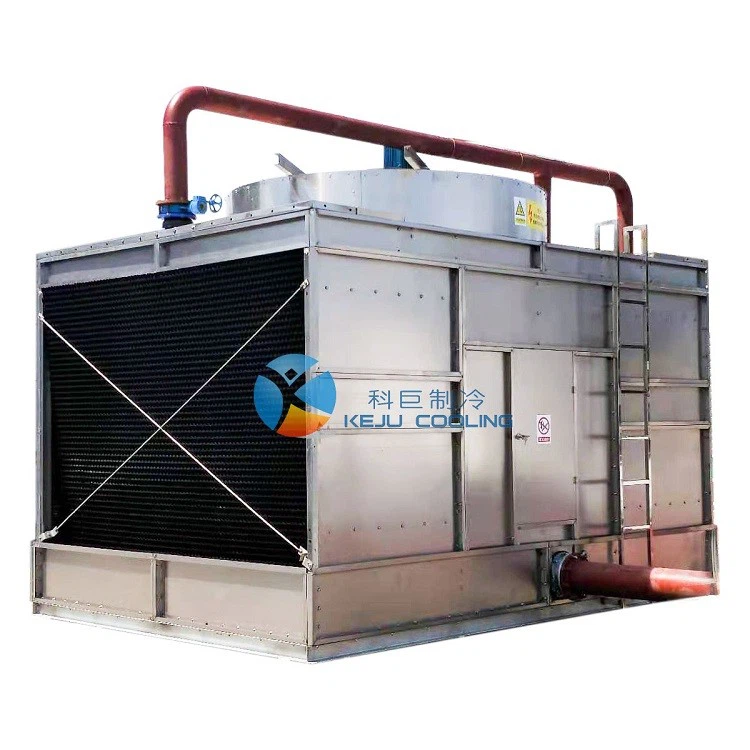
Before discussing their application in cold climates, it's essential to understand what Crossflow Open Type Cooling Towers are. In a crossflow design, the air flows horizontally across the downward - flowing water. This design allows for easy access to the fill media, which is where the heat transfer between the water and air occurs. The open - type nature means that the water is in direct contact with the ambient air, facilitating efficient heat exchange.
We offer a range of Crossflow Open Type Cooling Towers, including the Square Crossflow Open Circuit Cooling Tower, Cross Flow Open Loop Cooling Tower, and Steel Crossflow Open Cooling Tower. Each model is engineered to provide optimal performance in various industrial and commercial settings.
Advantages in Cold Climates
Enhanced Cooling Efficiency
One of the primary advantages of using a Crossflow Open Type Cooling Tower in cold climates is the enhanced cooling efficiency. Cold air has a lower temperature and higher density compared to warm air. When cold air is drawn through the cooling tower, it can absorb more heat from the water, resulting in a lower outlet water temperature. This increased cooling capacity can be particularly beneficial for industries that require precise temperature control, such as power generation, chemical processing, and data centers.
Reduced Energy Consumption
In cold climates, the ambient air temperature is often low enough that the cooling tower can operate without the need for additional mechanical cooling systems. This means that the fans and pumps of the cooling tower can run at a lower speed or even be shut off in some cases, leading to significant energy savings. For example, during the winter months, the cooling tower can rely solely on the natural convective flow of cold air to cool the water, eliminating the need for energy - intensive refrigeration equipment.
Frost Protection Mechanisms
Modern Crossflow Open Type Cooling Towers are equipped with advanced frost protection mechanisms. These can include features such as freeze - resistant fill materials, automatic water drainage systems, and temperature - controlled fan operation. The freeze - resistant fill materials are designed to prevent ice formation and damage to the fill media. The automatic water drainage systems can drain the water from the cooling tower when the temperature drops below freezing, preventing the water from freezing and causing structural damage. The temperature - controlled fan operation ensures that the fans are only running when necessary, reducing the risk of ice build - up on the fan blades.
Challenges in Cold Climates
Ice Formation
One of the most significant challenges of using a Crossflow Open Type Cooling Tower in cold climates is ice formation. Ice can form on the fill media, fan blades, and other components of the cooling tower, reducing the cooling efficiency and potentially causing damage to the equipment. Ice formation can also block the air and water flow paths, leading to uneven distribution of water and air within the cooling tower.
Water Freezing
In extremely cold temperatures, the water in the cooling tower can freeze. This can cause the pipes, pumps, and other water - carrying components to burst, resulting in costly repairs and downtime. Additionally, frozen water can prevent the proper operation of the cooling tower's control systems, leading to inaccurate temperature readings and inefficient operation.
Corrosion
Cold climates often have high humidity levels, which can increase the risk of corrosion in the cooling tower. Corrosion can damage the structural integrity of the cooling tower, reduce its lifespan, and contaminate the water. The combination of cold temperatures, moisture, and chemicals in the water can accelerate the corrosion process, especially in areas where the water is stagnant.
Mitigation Strategies
Regular Maintenance
Regular maintenance is crucial for ensuring the proper operation of a Crossflow Open Type Cooling Tower in cold climates. This includes inspecting the cooling tower for ice formation, checking the water levels and quality, and servicing the pumps, fans, and other components. Maintenance personnel should also monitor the temperature and humidity levels in the cooling tower and adjust the operation of the equipment accordingly.
Use of Anti - freeze Agents
In some cases, anti - freeze agents can be added to the water in the cooling tower to prevent freezing. These agents lower the freezing point of the water, allowing the cooling tower to operate at lower temperatures without the risk of freezing. However, it's important to use the appropriate anti - freeze agents and follow the manufacturer's recommendations to avoid any negative impacts on the cooling tower's performance and the environment.
Insulation
Insulating the pipes, pumps, and other components of the cooling tower can help prevent heat loss and reduce the risk of freezing. Insulation materials such as foam or fiberglass can be used to wrap the pipes and other exposed components. This not only protects the equipment from freezing but also improves the overall energy efficiency of the cooling tower.

Conclusion
In conclusion, a Crossflow Open Type Cooling Tower can be effectively used in cold climates with proper design, maintenance, and mitigation strategies. The enhanced cooling efficiency, reduced energy consumption, and advanced frost protection mechanisms make these cooling towers a viable option for industries in cold - climate regions. However, it's essential to be aware of the challenges such as ice formation, water freezing, and corrosion and take the necessary steps to address them.
If you're considering purchasing a Crossflow Open Type Cooling Tower for your cold - climate application, I encourage you to contact us for more information. Our team of experts can provide you with detailed product specifications, performance data, and customized solutions to meet your specific needs. We're committed to helping you select the right cooling tower for your project and ensuring its reliable operation in any climate.
References
- ASHRAE Handbook - HVAC Systems and Equipment. American Society of Heating, Refrigerating and Air - Conditioning Engineers.
- Cooling Tower Institute. Technical Standards and Practices for Cooling Towers.
- Manufacturer's manuals for Crossflow Open Type Cooling Towers.