

Can a cross flow closed water cooling tower be used for industrial processes?
Aug 25, 2026
Hey there! As a supplier of Cross Flow Closed Water Cooling Towers, I often get asked if these cooling towers can be used for industrial processes. Well, the short answer is a resounding yes! But let's dive deeper into this topic to understand why and how they fit into the industrial landscape.
How Cross Flow Closed Water Cooling Towers Work
First off, let's quickly go over how these cooling towers operate. In a cross flow closed water cooling tower, the air flows horizontally across the direction of the water flow. The water circulates inside a closed loop, which means it doesn't come into direct contact with the external environment. This is a big advantage as it helps prevent contamination of the water, which is crucial in many industrial applications.
The cooling process starts when hot water from the industrial process enters the cooling tower. It is then distributed over a fill material. As air is drawn through the fill, it cools the water by evaporating a small portion of it. The cooled water then returns to the industrial process to absorb more heat. The evaporated water is removed from the tower as vapor, and the cycle continues.
Benefits for Industrial Processes
1. Water Conservation
One of the major benefits of using a cross flow closed water cooling tower in industrial processes is water conservation. Since the water is in a closed loop, the amount of water lost to evaporation is significantly reduced compared to an open cooling system. This is especially important in industries where water is a precious resource or where strict water usage regulations are in place.
2. Reduced Contamination
As I mentioned earlier, the closed-loop design of these cooling towers helps prevent contamination of the water. In industrial processes, contaminants in the water can cause corrosion, scaling, and fouling of equipment, which can lead to reduced efficiency and increased maintenance costs. By keeping the water clean, cross flow closed water cooling towers help extend the lifespan of industrial equipment.
3. Energy Efficiency
Cross flow closed water cooling towers are also designed to be energy-efficient. They use less energy to move air through the tower compared to some other types of cooling towers. This is because the cross flow design allows for a more efficient transfer of heat between the water and the air. Additionally, the use of high-quality fill materials and fans helps optimize the cooling process, further reducing energy consumption.
4. Customization
Industrial processes vary widely in terms of their cooling requirements. Cross flow closed water cooling towers can be customized to meet the specific needs of different industries. For example, they can be designed to handle different flow rates, temperatures, and water qualities. This flexibility makes them a great choice for a wide range of industrial applications.
Types of Cross Flow Closed Water Cooling Towers
There are different types of cross flow closed water cooling towers available, each with its own set of features and benefits.
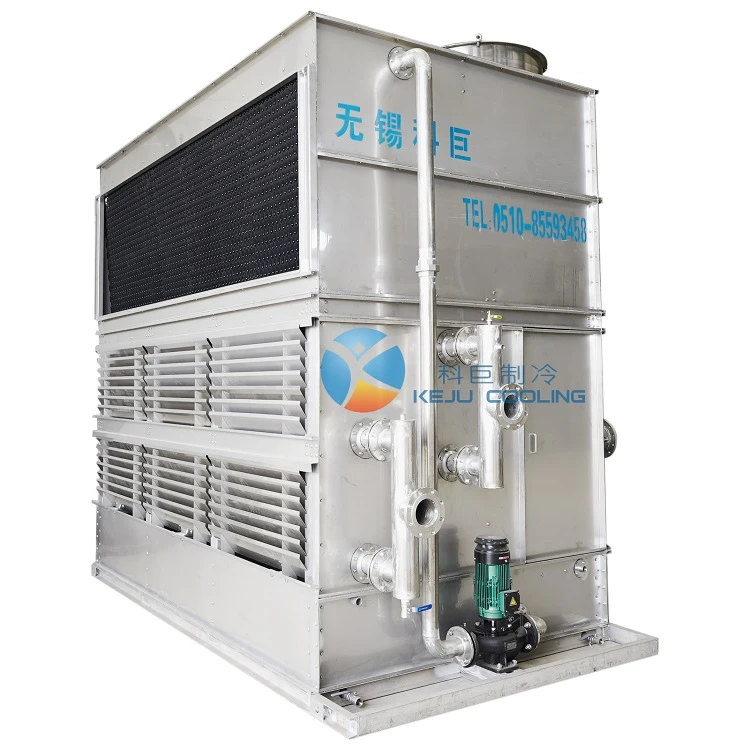
Induced Draft Cross Flow Closed Cooling Tower
The Induced Draft Cross Flow Closed Cooling Tower uses a fan at the top of the tower to draw air through the fill. This creates a negative pressure inside the tower, which helps in the efficient movement of air. Induced draft cooling towers are known for their high cooling efficiency and quiet operation.
Cross Flow Natural Draft Closed Cooling Tower
The Cross Flow Natural Draft Closed Cooling Tower relies on natural convection to move air through the tower. It doesn't use a fan, which makes it a more energy-efficient option in some cases. However, it requires a taller tower to create enough draft for effective cooling.
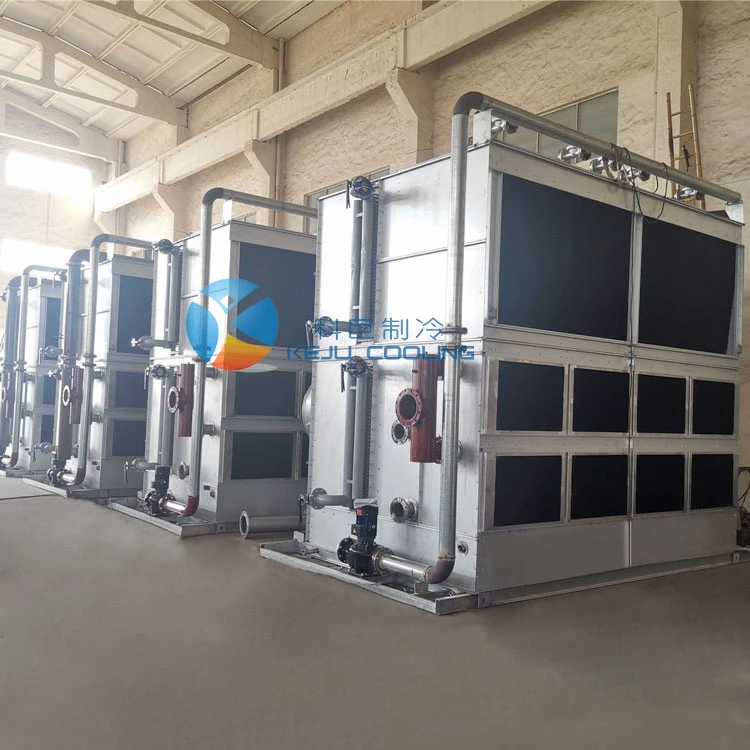
Closed Circuit Cross Flow Cooling Tower
The Closed Circuit Cross Flow Cooling Tower is a general term for a cooling tower that has a closed-loop water system. It can be either induced draft or natural draft, depending on the specific design. Closed circuit cooling towers are versatile and can be used in a variety of industrial processes.
Industrial Applications
Cross flow closed water cooling towers are used in a wide range of industrial processes. Here are some examples:
Power Generation
In power plants, these cooling towers are used to cool the condenser water. By removing heat from the water, they help maintain the efficiency of the power generation process. The closed-loop design also helps prevent the introduction of contaminants into the water, which could damage the equipment.
Manufacturing
In manufacturing industries, such as chemical, pharmaceutical, and food processing, cross flow closed water cooling towers are used to cool process equipment. They help maintain the temperature of the equipment within a safe operating range, which is crucial for product quality and equipment longevity.
HVAC Systems
In large commercial buildings, cross flow closed water cooling towers are used in HVAC systems to cool the chilled water. They help reduce the energy consumption of the HVAC system by providing an efficient way to remove heat from the water.
Considerations for Using Cross Flow Closed Water Cooling Towers in Industrial Processes
While cross flow closed water cooling towers offer many benefits, there are some considerations to keep in mind when using them in industrial processes.
Initial Cost
The initial cost of a cross flow closed water cooling tower can be higher than that of an open cooling system. This is due to the more complex design and the use of high-quality materials. However, the long-term savings in water and energy costs can often offset the initial investment.
Maintenance
Regular maintenance is required to ensure the proper operation of a cross flow closed water cooling tower. This includes cleaning the fill, checking the fans and pumps, and monitoring the water quality. Proper maintenance helps prevent problems such as scaling, corrosion, and fouling, which can reduce the efficiency of the cooling tower.
Space Requirements
Cross flow closed water cooling towers can take up a significant amount of space. This is especially true for natural draft cooling towers, which require a taller tower to create enough draft. When planning an industrial process, it's important to consider the space requirements of the cooling tower.
Conclusion
In conclusion, cross flow closed water cooling towers are a great option for industrial processes. They offer many benefits, such as water conservation, reduced contamination, energy efficiency, and customization. With different types available, they can be tailored to meet the specific needs of various industries.
If you're in the market for a cross flow closed water cooling tower for your industrial process, I'd love to have a chat with you. We can discuss your specific requirements and find the best solution for your needs. Don't hesitate to reach out and start the conversation!