

What special considerations are needed when using a Crossflow Open Type Cooling Tower in cold climates?
Dec 22, 2025
Hey there! As a supplier of Crossflow Open Type Cooling Towers, I've seen firsthand the unique challenges that come with using these systems in cold climates. In this blog post, I'll share some special considerations you need to keep in mind when operating a Crossflow Open Type Cooling Tower in chilly conditions.
Freezing Risks
One of the most significant concerns in cold climates is the risk of freezing. When the temperature drops below freezing, the water in the cooling tower can freeze, causing damage to the tower components. Ice can form on the fill media, nozzles, and basins, restricting water flow and reducing the tower's efficiency.
To prevent freezing, it's crucial to have a proper freeze protection plan in place. This may include installing heaters in the basin to keep the water from freezing, using anti - freeze solutions (although this needs to be carefully managed due to environmental and chemical compatibility issues), and implementing a control system that can adjust the tower's operation based on the ambient temperature.
For example, some of our Cross Flow Open Type Cooling Tower models come with built - in temperature sensors that can automatically activate the heaters when the temperature approaches freezing. This helps to maintain the water at a safe temperature and prevents ice formation.
Reduced Efficiency
Cold weather can also lead to reduced efficiency of the cooling tower. As the ambient temperature drops, the cooling range (the difference between the inlet and outlet water temperatures) may increase, but the approach (the difference between the outlet water temperature and the wet - bulb temperature) may decrease. This can result in the tower not being able to cool the water as effectively as it does in warmer climates.
To counter this, you may need to adjust the fan speed. In cold weather, running the fans at a lower speed can help to maintain the proper water temperature and improve the tower's efficiency. Our Cross Flow Steel Open Cooling Tower is designed with variable - speed fans that can be easily adjusted according to the weather conditions.
Material Selection
The materials used in the construction of the cooling tower are also crucial in cold climates. Steel is a popular choice for cooling towers, but in cold weather, it's important to ensure that the steel is properly coated to prevent corrosion. Our Steel Crossflow Open Cooling Tower is made from high - quality steel with a special anti - corrosion coating that can withstand the harsh cold and moisture.
Additionally, the fill media should be able to resist freezing and expansion. Some types of plastic fill media are more suitable for cold climates as they are less likely to crack or break when exposed to freezing temperatures.
Water Treatment
Water treatment becomes even more important in cold climates. The water in the cooling tower can contain dissolved minerals and impurities that can cause scaling and corrosion. In cold weather, the reduced water flow and lower temperatures can exacerbate these problems.
Regular water treatment, including the use of water softeners, anti - scale agents, and biocides, is essential. You may also need to adjust the water treatment program based on the weather conditions. For instance, during cold spells, you may need to increase the dosage of anti - scale agents to prevent scaling in the pipes and nozzles.
Maintenance
Cold climates require more frequent and thorough maintenance of the cooling tower. Regular inspections should be carried out to check for signs of ice formation, damage to the components, and proper operation of the freeze protection systems.
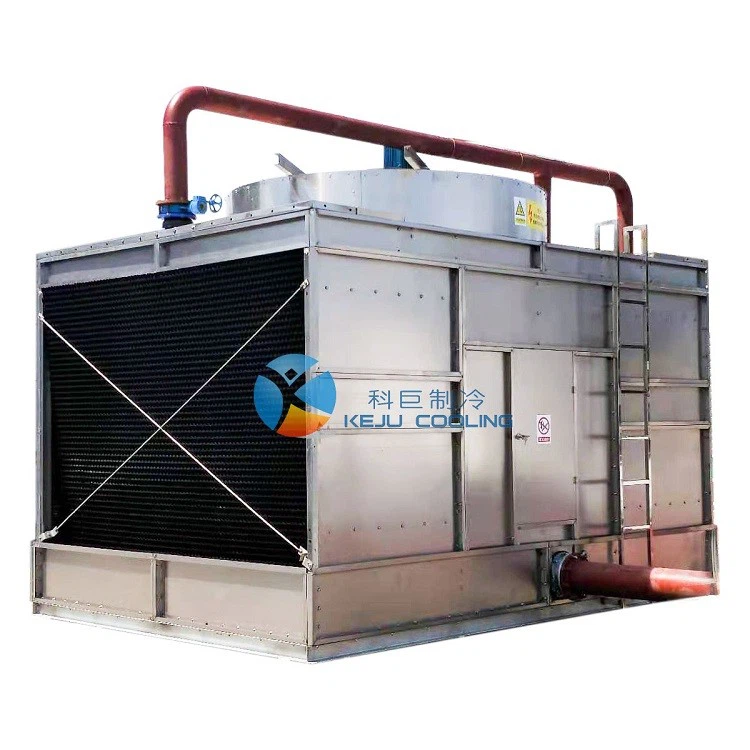

The basins should be drained and cleaned regularly to remove any sediment or debris that may have accumulated. The fans, motors, and pumps should also be checked for proper lubrication and operation.
Startup and Shutdown
Proper startup and shutdown procedures are essential in cold climates. Before starting up the cooling tower in cold weather, make sure that all the components are free of ice and that the heaters are working properly. During shutdown, it's important to drain the water from the tower to prevent freezing and damage.
Wind Effects
Cold climates often come with strong winds. High winds can affect the performance of the cooling tower by causing uneven air distribution and increasing the evaporation rate. This can lead to water loss and reduced efficiency.
To mitigate the wind effects, you may need to install windbreaks around the cooling tower. Our cooling towers can be customized with windbreak options to ensure optimal performance in windy conditions.
Energy Consumption
In cold climates, the energy consumption of the cooling tower may change. While the fans may run at a lower speed, the heaters used for freeze protection can consume a significant amount of energy. It's important to monitor the energy consumption and optimize the operation of the tower to reduce costs.
Conclusion
Using a Crossflow Open Type Cooling Tower in cold climates requires careful planning and consideration. From freeze protection to material selection, water treatment, and maintenance, every aspect of the tower's operation needs to be optimized for the cold weather.
If you're looking for a reliable Crossflow Open Type Cooling Tower that can perform well in cold climates, we've got you covered. Our Cross Flow Open Type Cooling Tower models are designed with all these special considerations in mind.
If you're interested in learning more about our products or have any questions about using cooling towers in cold climates, feel free to reach out to us. We'd be more than happy to have a chat and discuss how our cooling towers can meet your specific needs. Let's start a conversation about your cooling requirements and find the best solution together!
References
- Cooling Tower Institute (CTI) standards and guidelines
- ASHRAE Handbook - HVAC Systems and Equipment
- Manufacturer's technical manuals for Crossflow Open Type Cooling Towers