

How to improve the energy efficiency of a cross flow closed loop cooling tower?
Aug 19, 2026
As a supplier of Cross Flow Closed Loop Cooling Towers, I understand the importance of energy efficiency in today's industrial and commercial applications. In this blog post, I will share some effective strategies to improve the energy efficiency of a cross flow closed loop cooling tower, which can not only reduce operational costs but also contribute to a more sustainable environment.
Understanding Cross Flow Closed Loop Cooling Towers
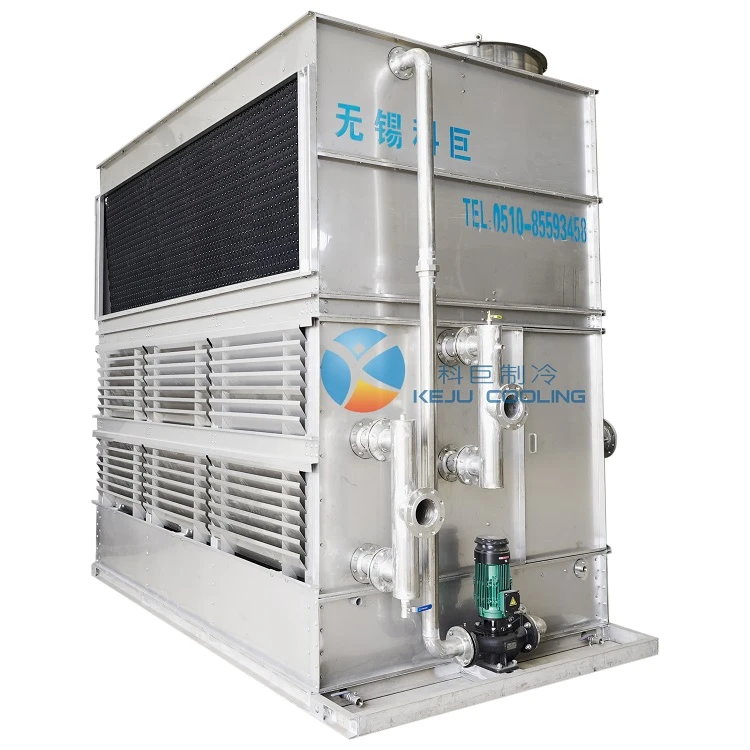
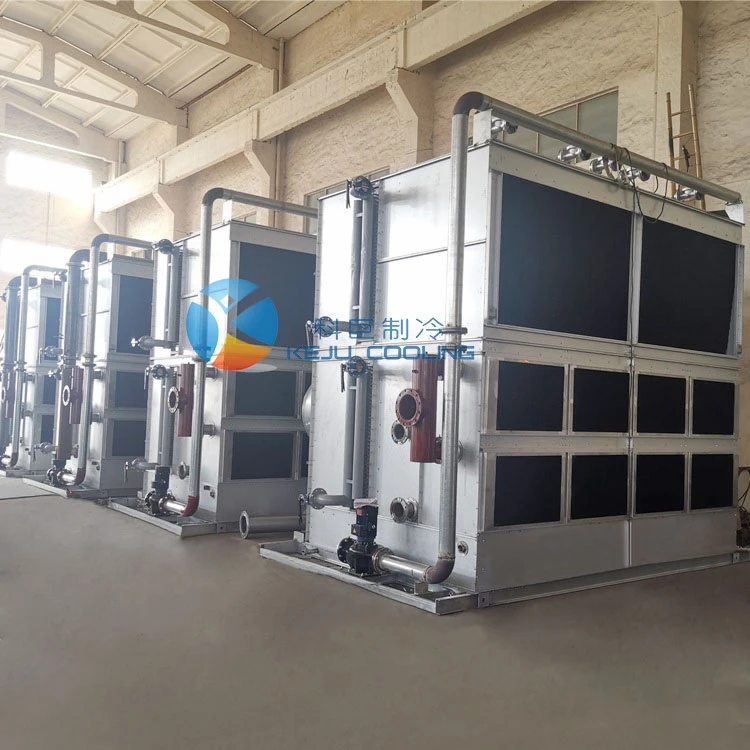
Before delving into the energy - efficiency improvement strategies, it's essential to understand the basic working principle of cross flow closed loop cooling towers. A Cross Flow Closed Circuit Cooling Tower operates by passing the hot water through a closed - loop system of tubes. Air is drawn across the tubes in a cross - flow pattern, which allows for heat transfer from the hot water to the air. The cooled water is then recirculated back to the process that requires cooling.
Optimizing Fan Operation
One of the most significant energy consumers in a cross flow closed loop cooling tower is the fan. By optimizing fan operation, we can achieve substantial energy savings.
- Variable Frequency Drives (VFDs): Installing VFDs on the fans allows for precise control of the fan speed. Instead of running the fans at a constant speed, the VFD can adjust the speed based on the cooling demand. For example, during periods of low heat load, the fan speed can be reduced, which in turn reduces the energy consumption. Studies have shown that using VFDs can lead to energy savings of up to 30 - 50% in fan operation.
- Fan Blade Design: Selecting fans with aerodynamically efficient blade designs can improve the fan's performance. Modern fan blades are designed to move more air with less power consumption. For instance, some advanced fan blades are made of lightweight materials and have a unique shape that reduces drag and increases airflow.
Water Management
Proper water management is crucial for the energy efficiency of a cross flow closed loop cooling tower.
- Water Treatment: Ensuring the water in the cooling tower is properly treated can prevent scale and corrosion. Scale build - up on the heat transfer surfaces can reduce the efficiency of heat transfer, forcing the cooling tower to work harder and consume more energy. Regular water treatment, including the use of chemicals to control pH, hardness, and microbial growth, can maintain the heat transfer efficiency.
- Water Flow Control: Optimizing the water flow rate is also important. A flow rate that is too high can increase the pumping energy, while a flow rate that is too low can lead to poor heat transfer. By using flow control valves and monitoring the water flow, we can ensure that the water flow rate is at an optimal level for energy - efficient operation.
Heat Exchanger Maintenance
The heat exchanger is a critical component of the cross flow closed loop cooling tower.
- Regular Cleaning: Over time, dirt, debris, and biological growth can accumulate on the heat exchanger surfaces, reducing its heat transfer efficiency. Regular cleaning of the heat exchanger can restore its performance. This can be done through mechanical cleaning or chemical cleaning methods, depending on the type of fouling.
- Insulation: Proper insulation of the heat exchanger pipes can prevent heat loss during the transfer process. Insulation materials with high thermal resistance can be used to wrap the pipes, which helps to maintain the temperature difference between the hot water and the cooling air, improving the overall energy efficiency.
Airflow Optimization
The airflow in a cross flow closed loop cooling tower affects the heat transfer process.
- Air Inlet and Outlet Design: Ensuring that the air inlets and outlets are properly designed and unobstructed is essential. A well - designed air inlet can allow for smooth and efficient airflow into the cooling tower. Similarly, the outlet should be designed to expel the warm air effectively. Obstructions such as debris or improper ductwork can disrupt the airflow and reduce the cooling tower's efficiency.
- Air Distribution: Uniform air distribution across the heat exchanger is crucial. This can be achieved through the use of air louvers and baffles. These components help to direct the air evenly over the heat exchanger surfaces, improving the heat transfer rate.
System Monitoring and Control
Implementing a comprehensive monitoring and control system can help to continuously optimize the energy efficiency of the cross flow closed loop cooling tower.
- Sensors and Data Logging: Installing sensors to monitor parameters such as water temperature, air temperature, humidity, and fan speed can provide valuable data. Data logging systems can record this information over time, allowing operators to analyze the performance of the cooling tower and identify areas for improvement.
- Automated Control Systems: Automated control systems can adjust the operation of the cooling tower based on the monitored data. For example, if the water temperature is lower than the setpoint, the system can reduce the fan speed or adjust the water flow rate to save energy.
Benefits of Energy - Efficient Cross Flow Closed Loop Cooling Towers
Improving the energy efficiency of a cross flow closed loop cooling tower offers several benefits.
- Cost Savings: Reduced energy consumption directly translates into lower operational costs. This can have a significant impact on the bottom line, especially for large - scale industrial operations.
- Environmental Sustainability: By consuming less energy, the cooling tower reduces its carbon footprint. This is in line with the growing global trend towards sustainable and environmentally friendly practices.
- Enhanced Equipment Lifespan: An energy - efficient cooling tower operates under less stress, which can extend the lifespan of its components. This reduces the need for frequent replacements and maintenance, further saving costs in the long run.
Conclusion
Improving the energy efficiency of a cross flow closed loop cooling tower is a multi - faceted process that involves optimizing fan operation, water management, heat exchanger maintenance, airflow, and implementing a monitoring and control system. As a Cross Flow Closed Type Cooling Tower supplier, we are committed to providing our customers with high - quality cooling towers and the knowledge to operate them efficiently.
If you are interested in improving the energy efficiency of your cooling tower or are looking to purchase a Closed Type Crossflow Cooling Tower, please feel free to contact us for more information and to discuss your specific requirements. We look forward to helping you achieve your cooling and energy - efficiency goals.