

How to control the water level in an open circuit cooling tower?
Nov 09, 2026
As a supplier of open circuit cooling towers, I understand the critical role that proper water level control plays in the efficient and reliable operation of these systems. In this blog post, I will share some insights and practical tips on how to control the water level in an open circuit cooling tower effectively.
Understanding the Importance of Water Level Control
Maintaining the correct water level in an open circuit cooling tower is essential for several reasons. First and foremost, it ensures the proper functioning of the cooling tower's heat transfer process. The cooling tower works by evaporating a portion of the water to remove heat from the system. If the water level is too low, there may not be enough water available for evaporation, leading to reduced cooling efficiency and potentially overheating of the equipment. On the other hand, if the water level is too high, it can cause water to overflow, resulting in water waste, increased operating costs, and potential damage to the surrounding area.
In addition to its impact on cooling efficiency, water level control also affects the chemical treatment of the water in the cooling tower. The chemical treatment helps to prevent the growth of bacteria, algae, and scale, which can reduce the performance and lifespan of the cooling tower. If the water level fluctuates too much, it can disrupt the chemical balance of the water, making it more difficult to maintain the appropriate chemical concentrations.
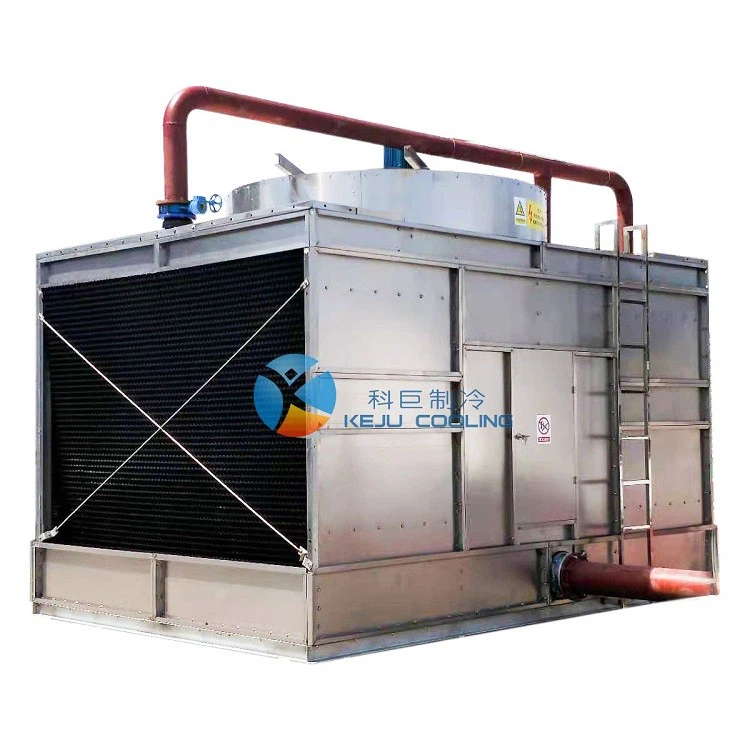
Factors Affecting Water Level in an Open Circuit Cooling Tower
Several factors can influence the water level in an open circuit cooling tower. Understanding these factors is crucial for implementing effective water level control strategies.
- Evaporation: Evaporation is the primary mechanism by which heat is removed from the cooling tower. As water evaporates, the water level in the tower decreases. The rate of evaporation depends on several factors, including the ambient temperature, humidity, air flow rate, and the surface area of the water in the tower.
- Drift Loss: Drift loss refers to the small droplets of water that are carried away by the air flowing through the cooling tower. This can result in a loss of water from the system and a decrease in the water level. The amount of drift loss depends on the design of the cooling tower, the air flow rate, and the presence of drift eliminators.
- Blowdown: Blowdown is the process of removing a portion of the water from the cooling tower to prevent the accumulation of dissolved solids and other contaminants. This helps to maintain the water quality and prevent the formation of scale and corrosion. The frequency and amount of blowdown depend on the water quality, the operating conditions of the cooling tower, and the chemical treatment program.
- Makeup Water: Makeup water is added to the cooling tower to replace the water lost through evaporation, drift loss, and blowdown. The rate of makeup water addition depends on the water loss rate and the desired water level in the tower.
Methods of Water Level Control
There are several methods available for controlling the water level in an open circuit cooling tower. The choice of method depends on the specific requirements of the cooling tower system, the available resources, and the budget.
- Float Valves: Float valves are one of the most common and simple methods of water level control. A float valve consists of a float that is connected to a valve. As the water level in the cooling tower rises or falls, the float moves up or down, causing the valve to open or close. This allows water to be added or removed from the tower to maintain the desired water level. Float valves are relatively inexpensive and easy to install, but they may not be suitable for high-precision applications.
- Level Sensors and Controllers: Level sensors and controllers provide a more accurate and reliable method of water level control. Level sensors can be used to measure the water level in the cooling tower, and the controller can be programmed to open or close a valve or pump to maintain the desired water level. Level sensors can be based on different technologies, such as float switches, ultrasonic sensors, or capacitive sensors. The choice of sensor depends on the specific requirements of the application, such as the accuracy, the range of measurement, and the environmental conditions.
- Flow Meters and Control Valves: Flow meters and control valves can be used to control the flow of makeup water into the cooling tower. A flow meter measures the flow rate of the makeup water, and the control valve adjusts the flow rate based on the water level in the tower. This method allows for precise control of the water level and can be used in conjunction with other control methods, such as level sensors and controllers.
- Automated Control Systems: Automated control systems can be used to integrate multiple sensors, controllers, and valves to provide a comprehensive water level control solution. These systems can be programmed to monitor the water level, temperature, and other parameters in the cooling tower and adjust the operation of the system accordingly. Automated control systems can improve the efficiency and reliability of the cooling tower operation and reduce the need for manual intervention.
Best Practices for Water Level Control
In addition to choosing the appropriate water level control method, there are several best practices that can help to ensure the effective and efficient operation of the cooling tower.
- Regular Maintenance: Regular maintenance of the cooling tower and its water level control system is essential to ensure its proper functioning. This includes inspecting and cleaning the float valves, level sensors, flow meters, and control valves, as well as checking the wiring and connections. Regular maintenance can help to identify and prevent potential problems before they cause serious damage to the system.
- Water Quality Management: Maintaining the proper water quality in the cooling tower is crucial for the effective operation of the water level control system. This includes monitoring the water chemistry, such as the pH, alkalinity, hardness, and conductivity, and adjusting the chemical treatment program accordingly. Proper water quality management can help to prevent the formation of scale, corrosion, and biological growth, which can affect the performance and lifespan of the cooling tower.
- Training and Education: Providing training and education to the operators and maintenance personnel is essential to ensure that they understand the importance of water level control and how to operate and maintain the cooling tower and its water level control system properly. This includes training on the use of the control equipment, the monitoring of the water level and other parameters, and the troubleshooting of common problems.
- Monitoring and Optimization: Monitoring the water level and other parameters in the cooling tower on a regular basis is essential to ensure its efficient and reliable operation. This includes using data logging and analytics tools to track the performance of the cooling tower and identify any trends or issues that may require attention. Based on the monitoring results, the water level control system can be optimized to improve its performance and reduce its operating costs.
Conclusion
Controlling the water level in an open circuit cooling tower is a critical aspect of its efficient and reliable operation. By understanding the importance of water level control, the factors that affect the water level, and the available methods of water level control, you can implement an effective water level control strategy for your cooling tower system. In addition, by following the best practices for water level control, you can ensure the proper functioning of the cooling tower and reduce its operating costs.
If you are interested in learning more about our open circuit cooling towers, such as the Steel Open Water Cooling Tower, Open Circuit Cross Flow Square Cooling Tower, Cross Flow Open Type Cooling Tower, Cross Flow Steel Open Cooling Tower, or Steel Crossflow Open Cooling Tower, or if you have any questions or need assistance with water level control, please feel free to contact us. We are here to help you find the best solution for your cooling tower needs.