

How does a cross flow closed water cooling tower prevent water pollution?
Aug 26, 2026
In industrial operations, water cooling is a crucial process, and cross flow closed water cooling towers play a significant role in this regard. As a supplier of Cross Flow Closed Water Cooling Towers, I understand the importance of preventing water pollution. In this blog, I will delve into how these cooling towers effectively prevent water pollution.
Understanding Cross Flow Closed Water Cooling Towers
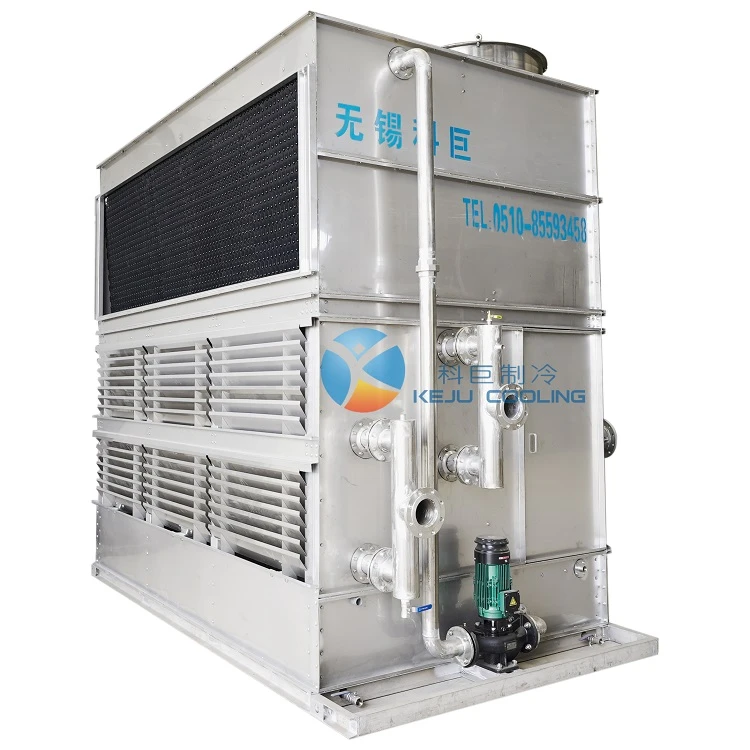
Before we discuss how they prevent water pollution, let's briefly understand what cross flow closed water cooling towers are. A cross flow closed water cooling tower is a device that cools water through a heat - exchange process. In a cross flow design, the air flows horizontally across the direction of the falling water. The closed - loop system means that the process water being cooled is contained within a closed circuit, which is separated from the external environment.
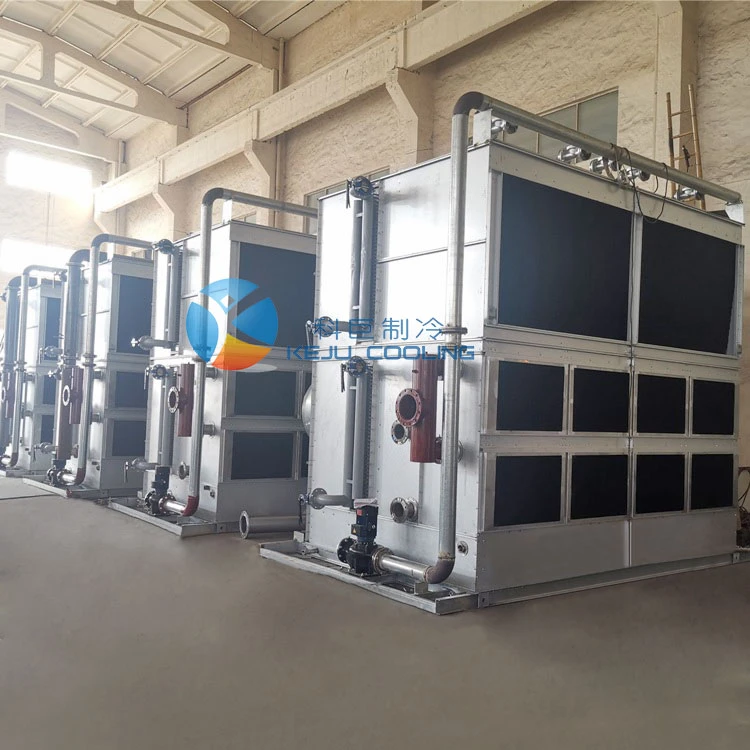
There are different types of cross flow closed water cooling towers, such as the Induced Draft Cross Flow Closed Cooling Tower and the Closed Type Crossflow Cooling Tower. These cooling towers are designed to provide efficient cooling while minimizing the risk of water pollution.
Key Mechanisms for Preventing Water Pollution
Closed - Loop System
The most fundamental feature of a cross flow closed water cooling tower is its closed - loop system. In a closed - loop system, the process water that needs to be cooled is continuously circulated within a sealed circuit. This means that the process water does not come into direct contact with the external environment, such as the atmosphere or other contaminants.
For example, in industrial processes where the process water may contain chemicals or other pollutants, the closed - loop system ensures that these substances are not released into the surrounding environment. This is in contrast to open cooling systems, where the water is exposed to the air and can pick up dust, debris, and other contaminants.
Heat Exchanger Design
The heat exchanger in a cross flow closed water cooling tower is another critical component for preventing water pollution. The heat exchanger allows for the transfer of heat from the process water to the cooling water without direct mixing.
The design of the heat exchanger ensures that there is a physical barrier between the process water and the cooling water. This barrier prevents any potential contamination from the process water from entering the cooling water and vice versa. High - quality heat exchangers are made of materials that are resistant to corrosion and chemical reactions, further enhancing their ability to prevent water pollution.
Filtration Systems
Most cross flow closed water cooling towers are equipped with filtration systems. These filtration systems are designed to remove any particulate matter, debris, or contaminants that may be present in the cooling water.
There are different types of filters used in cooling towers, such as sediment filters, cartridge filters, and media filters. Sediment filters are effective in removing large particles, while cartridge filters can remove smaller particles and contaminants. Media filters, on the other hand, use a variety of media to trap and remove different types of pollutants.
By removing these contaminants from the cooling water, the filtration systems help to maintain the quality of the water and prevent it from becoming a source of pollution. Additionally, clean cooling water ensures the efficient operation of the cooling tower and extends the lifespan of its components.
Chemical Treatment
Chemical treatment is an important aspect of preventing water pollution in cross flow closed water cooling towers. Chemicals are used to control the growth of bacteria, algae, and fungi in the cooling water.
Biocides are commonly used to kill or inhibit the growth of microorganisms. Scale inhibitors are used to prevent the formation of scale on the heat exchanger surfaces, which can reduce the efficiency of the cooling tower and lead to increased energy consumption. Corrosion inhibitors are also used to protect the metal components of the cooling tower from corrosion.
Proper chemical treatment not only helps to prevent water pollution but also ensures the long - term performance and reliability of the cooling tower. However, it is important to use these chemicals in a responsible manner to avoid over - treatment and potential environmental impacts.
Monitoring and Maintenance
Regular monitoring and maintenance are essential for ensuring that a cross flow closed water cooling tower effectively prevents water pollution.
Water Quality Monitoring
Monitoring the quality of the cooling water is crucial. Parameters such as pH, conductivity, turbidity, and the presence of specific contaminants should be regularly measured. By monitoring these parameters, any changes in the water quality can be detected early, and appropriate actions can be taken to prevent water pollution.
For example, if the pH of the cooling water is too high or too low, it can affect the performance of the chemical treatment and increase the risk of corrosion or scale formation. By adjusting the pH in a timely manner, these problems can be avoided.
Equipment Inspection
Regular inspection of the cooling tower equipment is also necessary. This includes checking the heat exchanger for any signs of leakage, the fans for proper operation, and the filtration systems for clogging.
Any damaged or malfunctioning components should be repaired or replaced immediately to ensure the proper functioning of the cooling tower and prevent water pollution. For example, a leaking heat exchanger can allow the process water and the cooling water to mix, leading to contamination.
Environmental Benefits
The prevention of water pollution by cross flow closed water cooling towers has significant environmental benefits.
Reduced Water Discharge
Since the process water is contained within a closed - loop system, there is little to no water discharge. This helps to conserve water resources, which is especially important in areas where water is scarce.
In contrast, open cooling systems often require large amounts of make - up water to replace the water lost through evaporation and drift. This can put a strain on local water supplies and lead to increased water treatment costs.
Minimized Chemical Release
By using chemical treatment in a controlled manner and preventing the mixing of process water and cooling water, cross flow closed water cooling towers minimize the release of chemicals into the environment.
This is important because many of the chemicals used in cooling towers, such as biocides and corrosion inhibitors, can be harmful to the environment if released in large quantities. By reducing the chemical release, these cooling towers help to protect the ecosystem and comply with environmental regulations.
Conclusion
As a supplier of Cross Flow Closed Cooling Tower, I am proud to offer products that are designed to prevent water pollution. Through their closed - loop systems, heat exchanger designs, filtration systems, chemical treatment, and proper monitoring and maintenance, cross flow closed water cooling towers provide an effective solution for industrial cooling while minimizing the environmental impact.
If you are in need of a reliable and environmentally friendly cooling solution, I encourage you to contact us for a detailed discussion. We can provide you with the right cross flow closed water cooling tower that meets your specific requirements. Let's work together to ensure efficient cooling and a cleaner environment.